Cambyses II (Persia)
−530 · until −522
Hebrew year: 3231 (ג׳רל״א)
Open on the interactive timeline
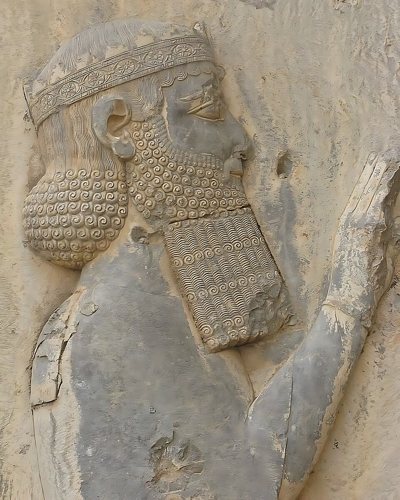
Cambyses II, eldest son of Cyrus the Great, had served as king of Babylon under his father and succeeded him in −530. In −525 he defeated Psamtik III at Pelusium and took Memphis, adding Egypt to the Persian Empire; campaigns south toward Kush and west toward the oasis of Siwa followed. Herodotus portrays him as mad and sacrilegious, killing the Apis bull and his own brother Bardiya, but Egyptian sources such as the statue of Udjahorresnet show him taking pharaonic titles and honouring the temple of Neith at Sais. He died in Syria in −522 on his way home to face a usurper claiming to be Bardiya, and Darius I took the throne.
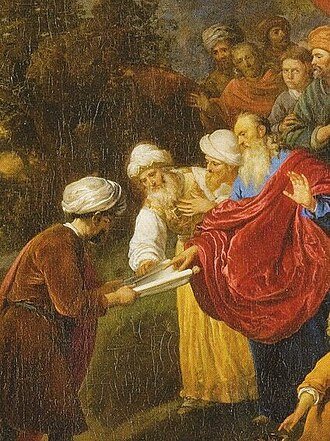
The Jews of Elephantine, on Egypt's southern border, recalled in a petition of −407 that when Cambyses came into Egypt the temples of the Egyptian gods were overthrown, but no one did any harm to their temple of YHW (the Elephantine papyri). Josephus (Antiquities 11.21–30) names Cambyses as the king who, persuaded by letters from Judah's neighbours, ordered the rebuilding of the Temple in Jerusalem to stop (compare Ezra 4).
- Hebrew year
- 3231 (ג׳רל״א)
- Place
- Pasargadae
- Category
- Foreign rulers & empires
- Part of
- Persian Period
Read the text
- Ezra 4 · Hebrew and English on Sefaria