Himyarite Jewish Kingdom
380
Hebrew year: 4140 (ד׳ק״מ)
Open on the interactive timeline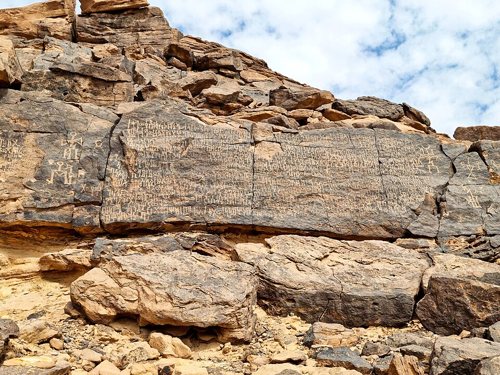
Himyar (Yemen) was a kingdom in southwest Arabia whose royal house turned to monotheism around 380, abandoning the old South Arabian gods. Royal inscriptions from this period invoke a single God called Rahmanan, "Lord of the Heavens," and in some texts refer to Israel and the God of the Jews. Jewish communities lived in its cities, a synagogue is attested at Zafar, and Himyarite burials at Beit She'arim in the Galilee show direct ties to Jewish life in the Land of Israel. Scholars debate whether the kingdom was formally Jewish or practiced a monotheism deliberately shaped to appeal to both Jews and others, but it stands as the only kingdom outside the Land of Israel before the Khazars whose rulers aligned themselves with Judaism. It is also the historical backdrop to the ancient Jewish community of Yemen.
- Hebrew year
- 4140 (ד׳ק״מ)
- Place
- Zafar (Himyar)
- Category
- Major events
- Part of
- Byzantine Period