Julian the Apostate (Rome)
361 · until 363
Hebrew year: 4121 (ד׳קכ״א)
Open on the interactive timeline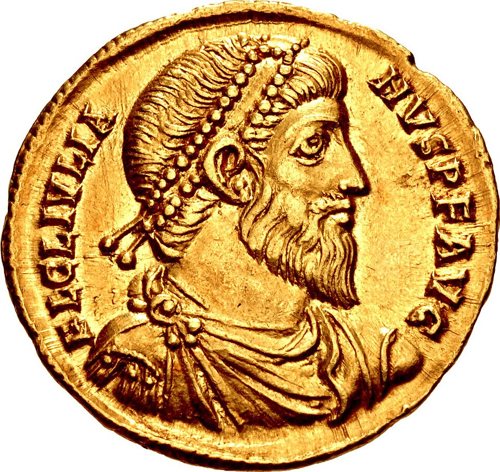
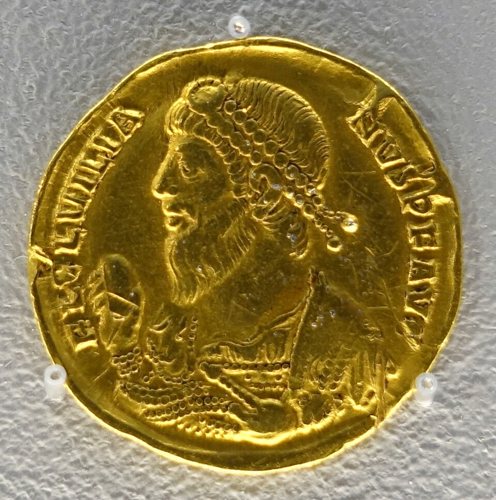
Julian was the last non-Christian Roman emperor, a philosopher and soldier who tried to restore the traditional gods after decades of Christian dominance. He abolished the special Jewish tax and discriminatory measures, and authorized the rebuilding of the Temple in Jerusalem — partly out of genuine sympathy, partly to disprove Christian claims that its ruin was permanent. Work began but was halted when fire erupted from the foundations, an event reported by both Christian and pagan sources and often explained as ignited underground gas, possibly triggered by an earthquake. He was killed campaigning in Persia after a reign of less than two years, and the project died with him.
- Hebrew year
- 4121 (ד׳קכ״א)
- Place
- Constantinople
- Category
- Foreign rulers & empires
- Part of
- Byzantine Period