Khirbet el-Qom Inscription
−750
Hebrew year: 3011 (ג׳י״א)
Open on the interactive timeline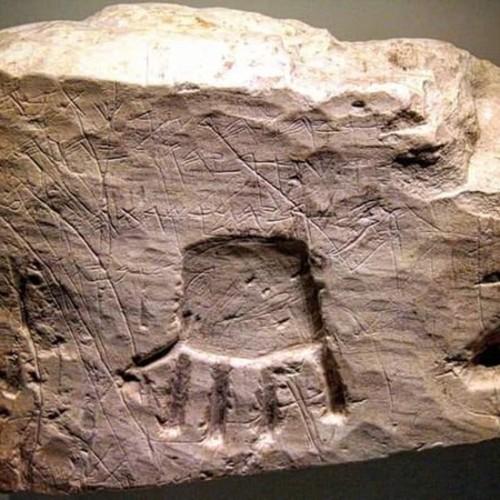
The Khirbet el-Qom Inscription, discovered in 1967 in a burial cave near Hebron, dates to the 8th century before the common count during the Kingdom of Judah. Written in ancient Hebrew script, it contains a blessing invoking YHWH and "his Asherah," apparently seeking divine protection for a man named Uriyahu.
Like the Kuntillet Ajrud inscriptions, it provides evidence that some ancient Israelites associated YHWH with Asherah, either as a goddess or a sacred cultic symbol.
These practices correspond to religious traditions condemned in the Tanakh, particularly the worship of Asherah and the use of sacred poles (Deuteronomy 16:21; 2 Kings 23:4–7), revealing the diversity of religious beliefs in ancient Judah.
- Hebrew year
- 3011 (ג׳י״א)
- Place
- Khirbet el-Qom
- Category
- Archaeology
- Part of
- Israel & Judah