Liberation of Auschwitz
27 Jan 1945
Hebrew year: 5705 (ה׳תש״ה)
Open on the interactive timeline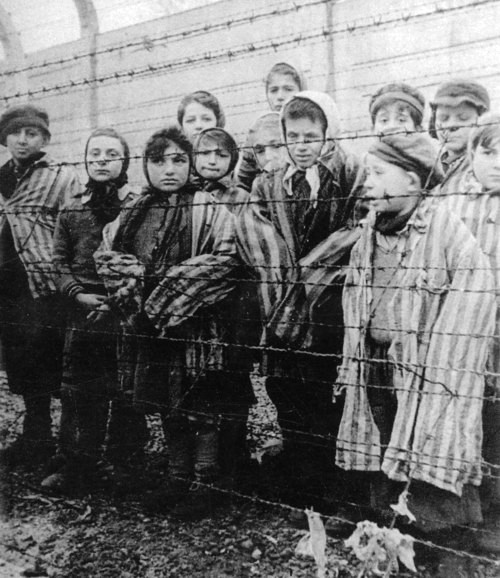
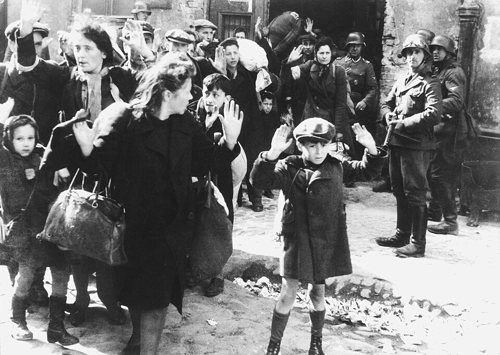
On 27 January 1945 soldiers of the Soviet 60th Army of the First Ukrainian Front entered Auschwitz, the largest German concentration and extermination camp, near Oświęcim in occupied Poland. A few days earlier the SS had driven about 58,000 prisoners west on death marches and blown up the gas chambers and crematoria of Birkenau. The Soviets found some 7,000 sick and starving prisoners left behind, among them hundreds of children, and storerooms full of the victims' clothes, shoes and about seven tonnes of human hair.
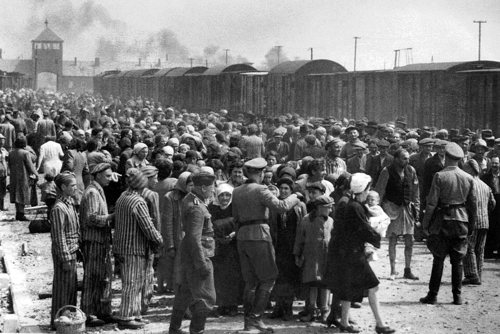
At Auschwitz about 1.1 million people were murdered, about one million of them Jews from all over Europe, more than at any other place. Its liberation came too late for nearly all of them and revealed the scale of the crime to the world. Since 2005, 27 January has been International Holocaust Remembrance Day; Israel remembers the Shoah on Yom HaShoah, 27 Nisan.
- Hebrew year
- 5705 (ה׳תש״ה)
- Place
- Auschwitz
- Category
- Persecution & antisemitism
- Part of
- British Mandate
At the same time
 Holocaust - Shoah21 Jun 1933 – 27 Jan 1945
 Yitzhak Sadeh1890 – 1952
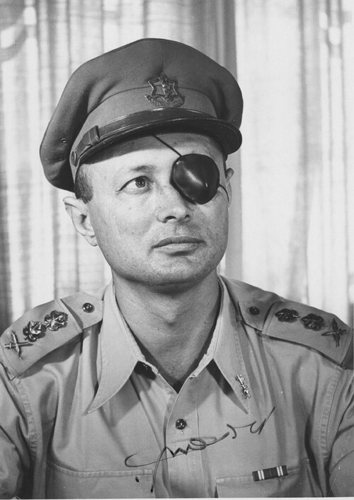 Moshe Dayan1915 – 1981
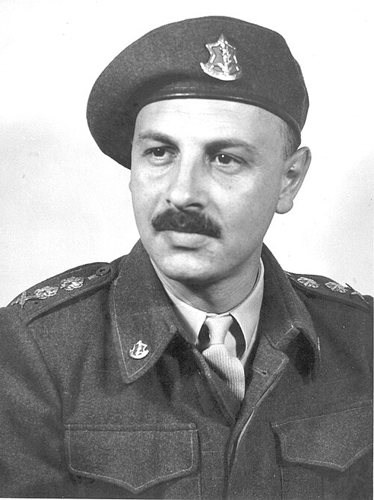 Yigael Yadin1917 – 1984
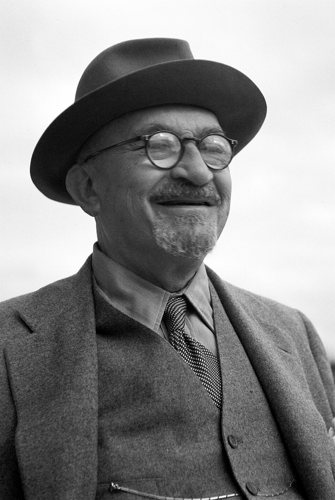 Chaim Weizmann1874 – 1952
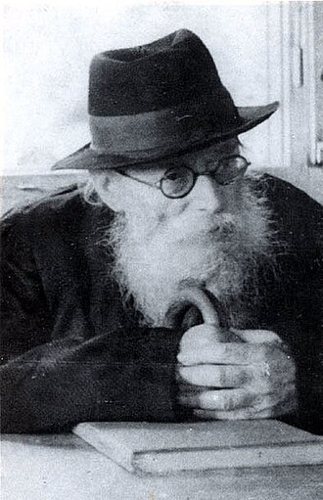 Chazon Ish1878 – 1953
 Albert Einstein1879 – 1955
 S. Y. Agnon1888 – 1970
 Rabbi Menachem Mendel Schneerson1902 – 1994
 Rabbi Joseph B. Soloveitchik1903 – 1993