Battle of Ain Jalut
3 Sep 1260
Hebrew year: 5020 (ה׳כ׳)
Open on the interactive timeline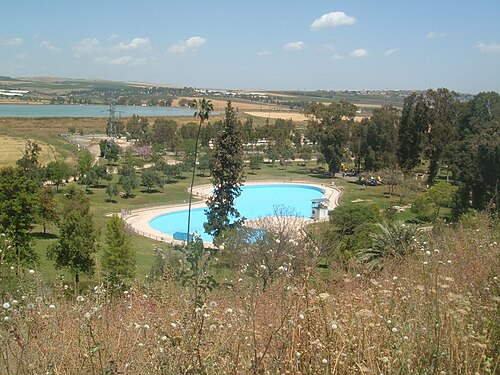
On 3 September 1260 the Mamluk army of Egypt, under Sultan Qutuz and the general Baybars, defeated a Mongol army under Kitbuqa at Ain Jalut ("the Spring of Goliath"), the spring of Harod in the Jezreel Valley where, in the Book of Judges, Gideon chose his three hundred men. The Mongols under Hulagu had sacked Baghdad in 1258 and taken Aleppo and Damascus in 1260, but Hulagu then withdrew most of his forces after the death of the Great Khan Möngke. The Mamluks lured the remaining army into an ambush; Kitbuqa was killed and his army destroyed. It was the first great defeat the Mongols did not avenge.
On the way back to Egypt Baybars murdered Qutuz and became sultan. The Mamluks went on to destroy the last Crusader states, taking Acre in 1291, and ruled the Land of Israel until the Ottoman conquest of 1516–1517. When the Ramban reached Jerusalem in 1267, after these wars, he found only two Jews there, brothers who were dyers, and re-established a synagogue.
- Hebrew year
- 5020 (ה׳כ׳)
- Place
- Ein Harod
- Category
- Wars & battles
- Part of
- Mamluk Period
Read the text
- Judges 7 · Hebrew and English on Sefaria
At the same time
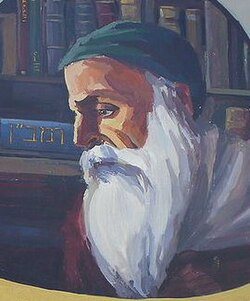 (Ramban) Moshéh ben Najmán1194 – 1270
 (Rashba) Rabbi Shlomo ben Aderet1235 – 1310
 (Rosh) Rabbi Asher ben Yehiel1250 – 1327