Constantius Gallus (Rome)
351 · until 354
Hebrew year: 4111 (ד׳קי״א)
Open on the interactive timeline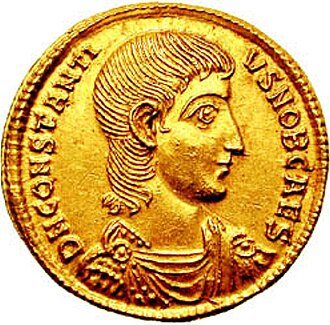
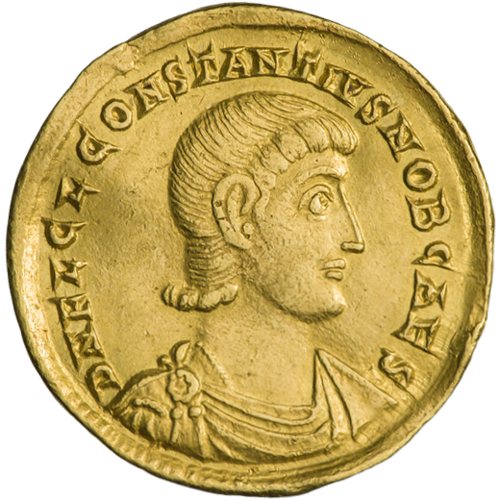
Flavius Claudius Constantius Gallus, nephew of Constantine the Great and half-brother of the future emperor Julian, survived the massacre of his family in 337 and was named Caesar of the East by his cousin Constantius II in 351. Ruling from Antioch, he faced the Jewish revolt in the Galilee in 351–352, which his general Ursicinus suppressed, destroying Sepphoris (by then called Diocaesarea) and striking Tiberias and Lod.
The historian Ammianus Marcellinus (Book 14) portrays Gallus as suspicious and cruel, ruling Antioch through informers and executions. His conduct alarmed Constantius II, who summoned him west and had him executed at Pola in Istria in 354. For Jewish history his short rule is remembered mainly for the revolt and its harsh suppression, the last Jewish uprising against Rome in the Land of Israel.
- Hebrew year
- 4111 (ד׳קי״א)
- Place
- Antioch
- Category
- Foreign rulers & empires
- Part of
- Byzantine Period