Gallus Revolt
351
Hebrew year: 4111 (ד׳קי״א)
Open on the interactive timeline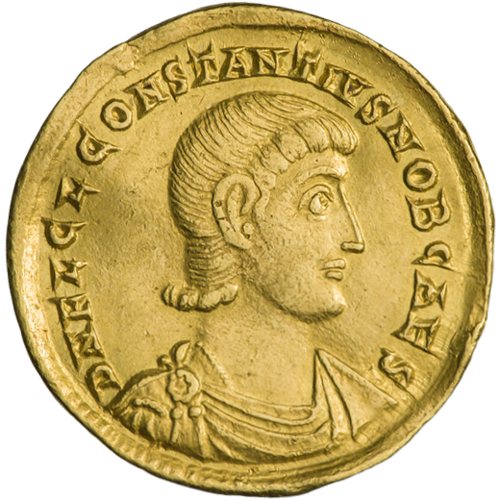
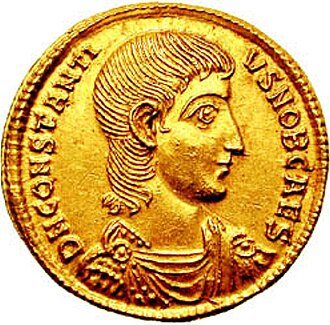
In 351–352 Jews in the Galilee rose against Roman rule while the eastern half of the empire was governed from Antioch by the Caesar Constantius Gallus, cousin of Emperor Constantius II. Late Roman and Christian writers give only brief notices: Aurelius Victor says the rebels proclaimed a certain Patricius as king, and Jerome's Chronicle and the church historians Socrates and Sozomen report that Gallus's general Ursicinus crushed the rising, killed thousands, and destroyed Diocaesarea (Sepphoris, Tzippori), with damage also at Tiberias and Lod (Diospolis).
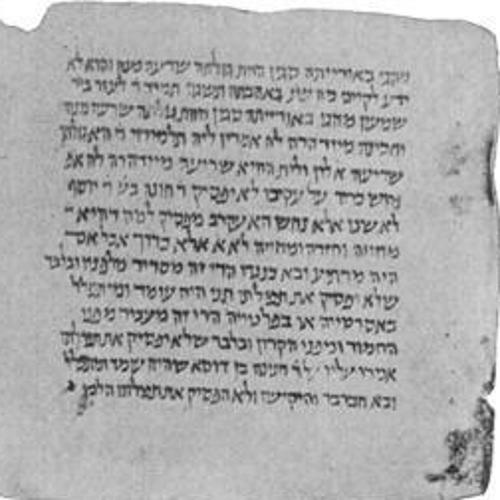
It was the last Jewish revolt against Rome in the Land of Israel. Its scale is debated: some historians see a major national uprising, others a local disturbance magnified by later writers, and destruction layers once linked to it at Sepphoris may instead come from the earthquake of 363. The Jerusalem Talmud mentions Ursicinus in stories of rabbis dealing with Roman troops in the Galilee, and Tiberias remained the seat of the patriarchs and the academy afterwards.
- Hebrew year
- 4111 (ד׳קי״א)
- Place
- Tzippori
- Category
- Wars & battles
- Part of
- Byzantine Period