Crusaders Period
1099
Hebrew year: 4859 (ד׳תתנ״ט)
Open on the interactive timeline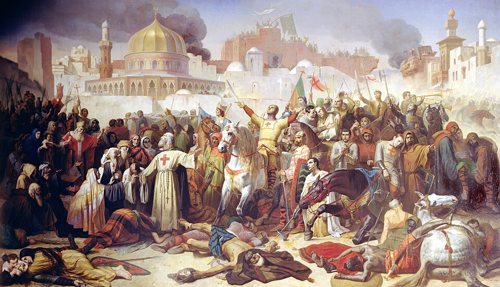
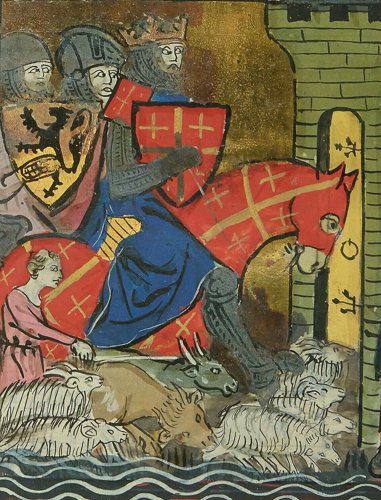
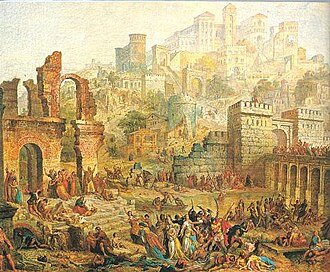
The Crusaders captured Jerusalem in 1099 during the First Crusade and established the Kingdom of Jerusalem, a Latin Christian kingdom that controlled parts of the Land of Israel and nearby coastal cities. From a Jewish perspective, the Crusader conquest was catastrophic: Jewish and Muslim communities in Jerusalem suffered massacres, and Jewish access to the city became extremely limited. The Crusader period turned Jerusalem into a Christian royal and religious center, while many Jewish communities survived mainly outside the city or in other parts of the region. Crusader control lasted, in different forms, from 1099 to 1291, though Jerusalem itself was retaken by Saladin in 1187 after the Battle of Hattin. After that, the Crusaders continued to hold some coastal cities, especially Acre, until the Mamluks captured it in 1291, ending the Crusader states in the Land of Israel. For your timeline, this period represents a major interruption in Muslim rule and one of the harshest medieval periods for Jews in Jerusalem.
- Hebrew year
- 4859 (ד׳תתנ״ט)
- Place
- Jerusalem
- Category
- Major events
- Part of
- Crusaders & Ayyubids
At the same time
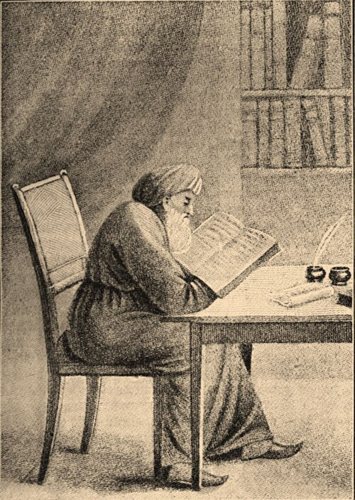 (Rif) Rabbi Yitzḥak Alfasi1013 – 1103
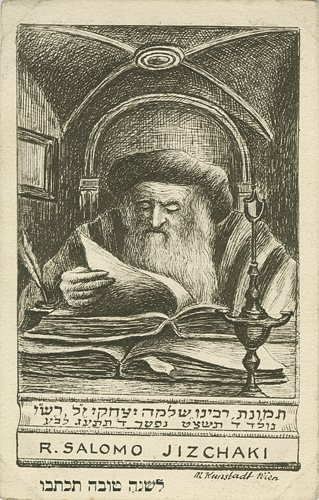 (Rashi) Rabi Shlomo Itzjaki1040 – 1105
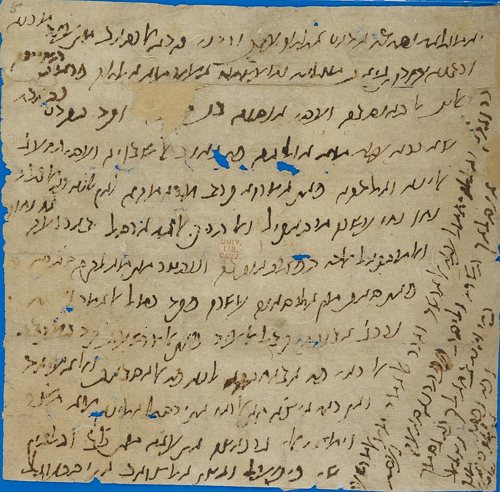 Yehuda HaLevi1075 – 1141
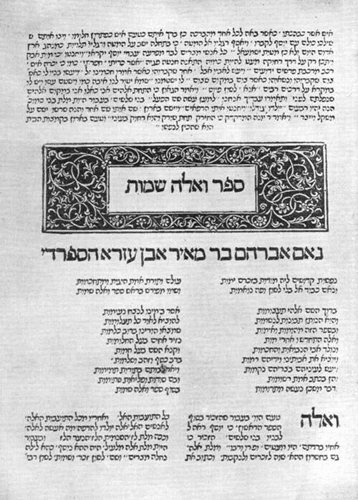 Abraham ibn Ezra1089 – 1167