Yehuda HaLevi
1075 – 1141
Hebrew years: 4835–4901 (ד׳תתל״ה–ד׳תתק״א)
Open on the interactive timeline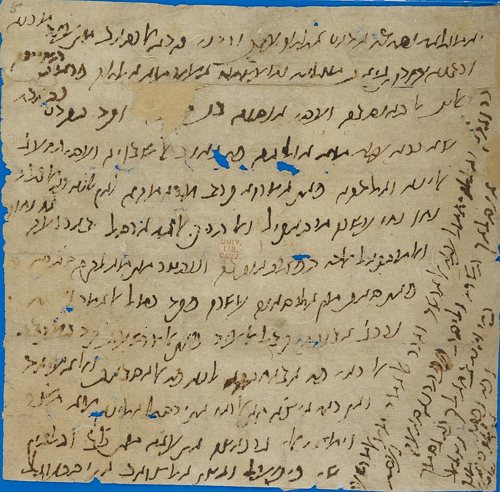
Yehuda HaLevi (Judah Halevi) was born around 1075 in Tudela or Toledo and worked as a physician in Toledo and later in Córdoba. He was the most celebrated Hebrew poet of Spain's golden age. Some 800 of his poems survive: love and wine songs, liturgical poems still sung in synagogue, and the "Songs of Zion". In the most famous of them he writes, "My heart is in the East, and I am at the far end of the West." His "Tziyon halo tishali" ("Zion, will you not ask") is recited among the kinot on Tisha B'Av.
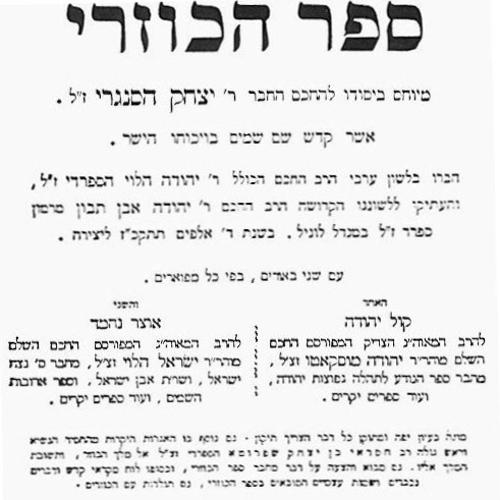
His philosophical masterpiece, the Kuzari, written in Judeo-Arabic and finished around 1140, imagines the king of the Khazars questioning a philosopher, a Christian, a Muslim and finally a rabbi. It defends Judaism through the history of revelation to the whole people at Sinai, and through the special bond between Israel and its land. In 1140 HaLevi acted on his words and sailed east. Geniza letters trace him through Alexandria and Cairo; he set sail again in May 1141 and died that summer. A later legend says an Arab horseman trampled him at the gates of Jerusalem as he recited his elegy for Zion.
- Hebrew years
- 4835–4901 (ד׳תתל״ה–ד׳תתק״א)
- Place
- Toledo
- Category
- Sages, Scholars & Writers
- Part of
- Crusaders & Ayyubids
At the same time
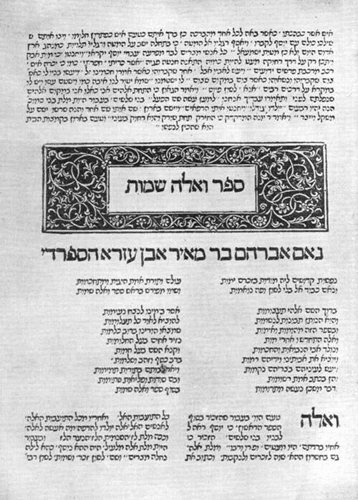 Abraham ibn Ezra1089 – 1167
 Rabbeinu Tam1100 – 1171
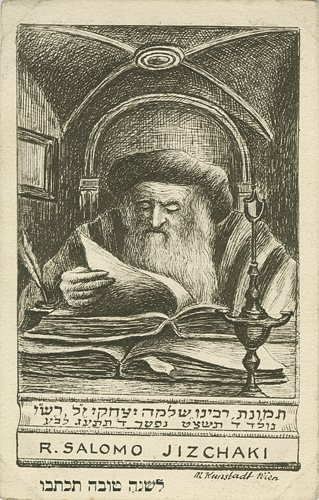 (Rashi) Rabi Shlomo Itzjaki1040 – 1105
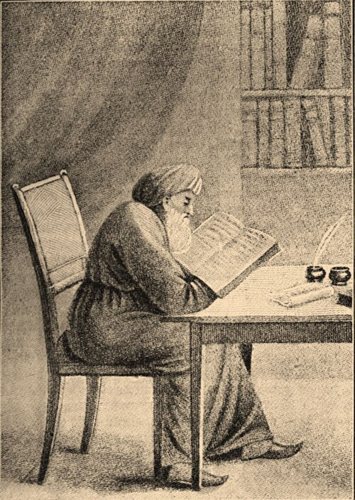 (Rif) Rabbi Yitzḥak Alfasi1013 – 1103
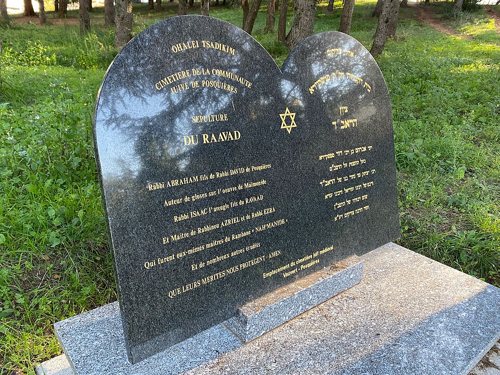 (Raavad) Rabbi Avraham ben David of Posquières1125 – 1198
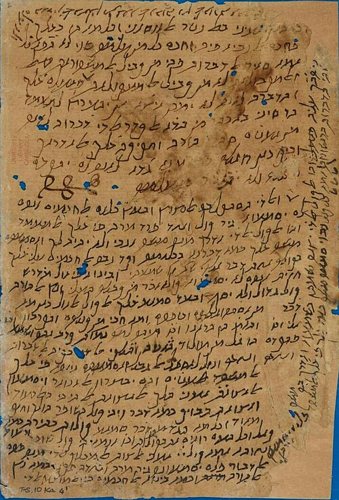 (Rambam) Moshé ben Maimón1138 – 1204