Degania, the first kibbutz
Oct 1910
Hebrew year: 5670 (ה׳תר״ע)
Open on the interactive timeline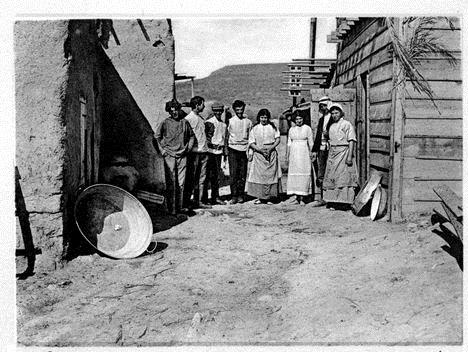
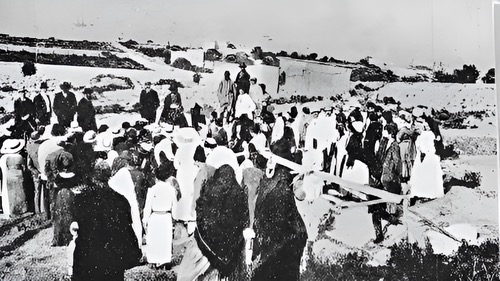
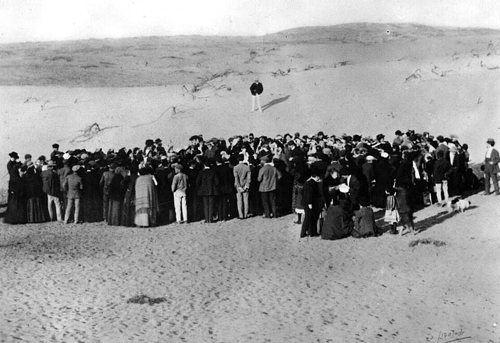
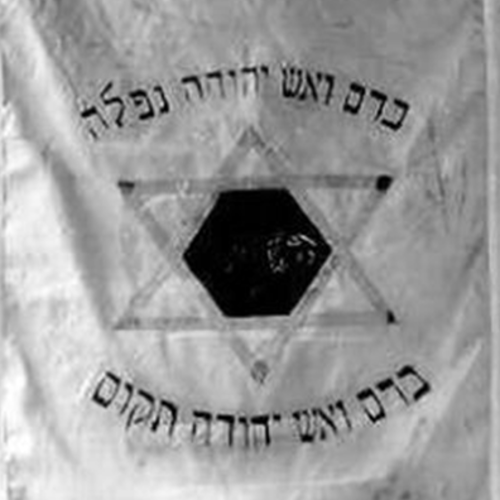
In October 1910 a group of ten men and two women of the Second Aliyah, young pioneers from the Russian Empire who had worked together as a commune in Hadera, settled at Umm Juni on the southern shore of the Sea of Galilee, on land bought by the Jewish National Fund. They farmed it together as a kvutza: shared property, shared work and decisions made by all, with no hired labour. Among the founders were Joseph and Miriam Baratz. In 1912 they moved to a permanent site nearby by the Jordan River and called it Degania, after the grain (dagan) they grew.
Degania was the first kibbutz, the model for hundreds of kibbutzim that settled the land, defended its borders and gave the State of Israel many of its leaders. A. D. Gordon lived and worked there, and Moshe Dayan was born there in 1915. On 20 May 1948 its defenders stopped a Syrian armoured attack at its gate, where a Syrian tank still stands.
- Hebrew year
- 5670 (ה׳תר״ע)
- Place
- Degania
- Category
- Major events
- Part of
- Ottoman Period
At the same time
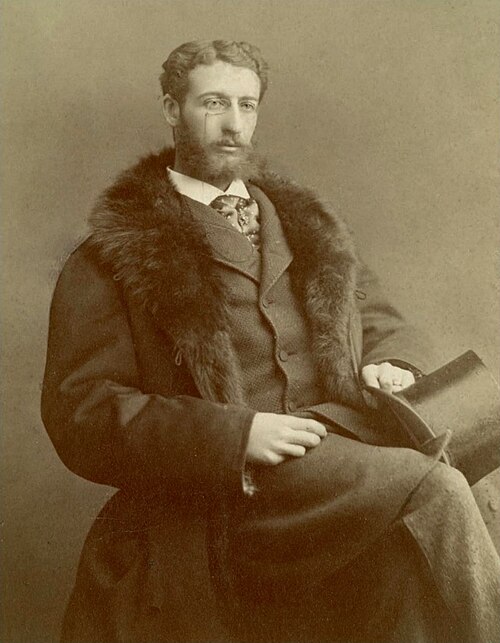 Baron Edmond de Rothschild1845 – 1934
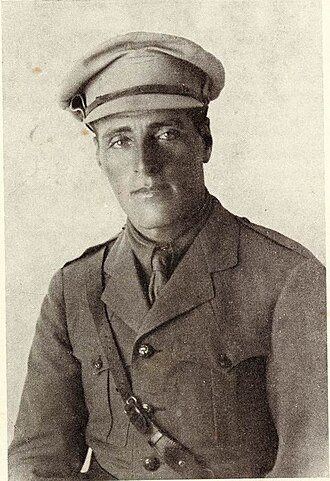 Joseph Trumpeldor1880 – Mar 1920
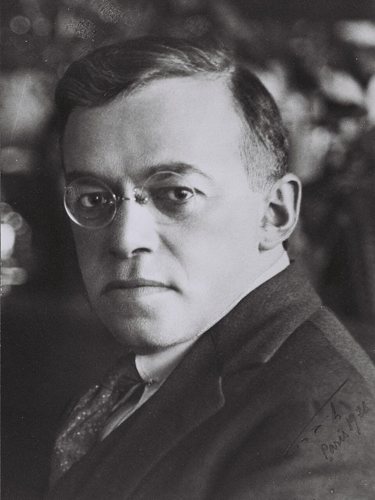 Ze’ev Jabotinsky1880 – 1940
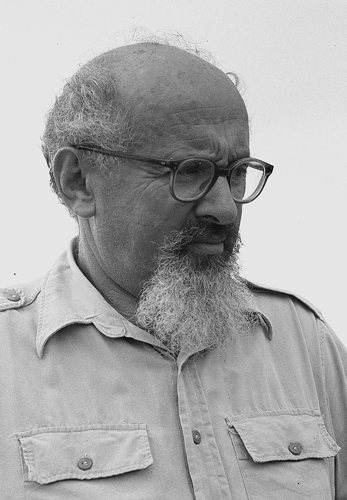 Yitzhak Sadeh1890 – 1952
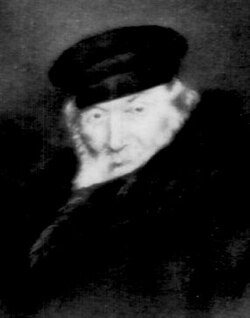 (Chafetz Chaim) Rabbi Yisrael Meir Kagan1838 – 1933
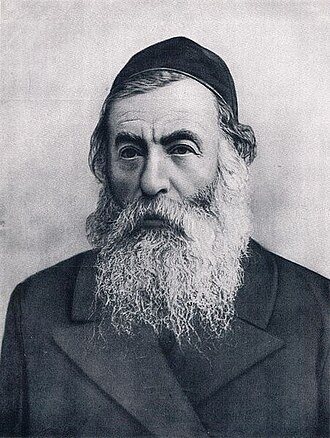 Rabbi Yitzchak Yaakov Reines1839 – 1915
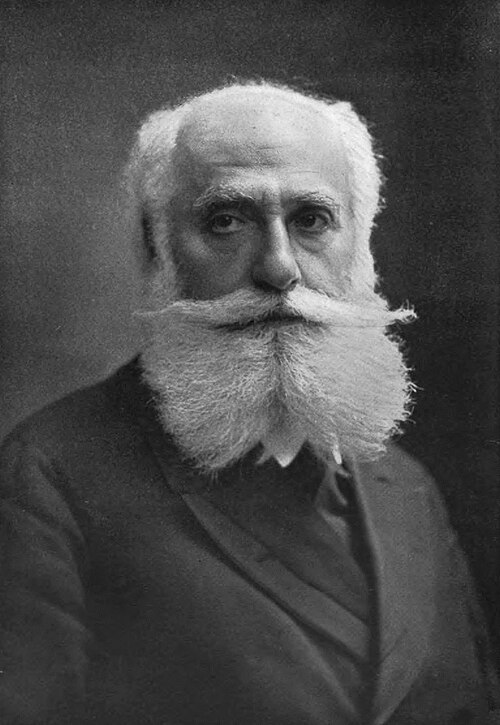 Max Nordau1849 – 1923
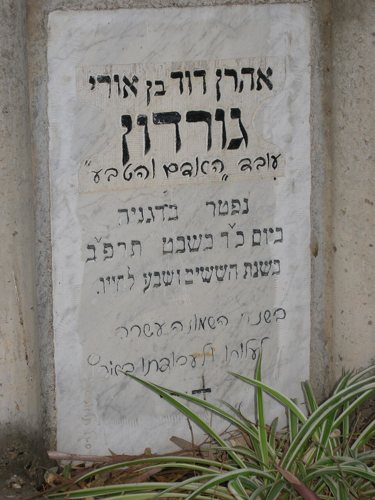 A. D. Gordon1856 – 1922
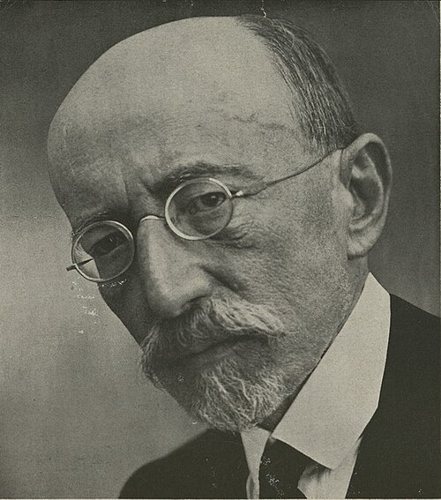 Ahad Ha’am1856 – 1927
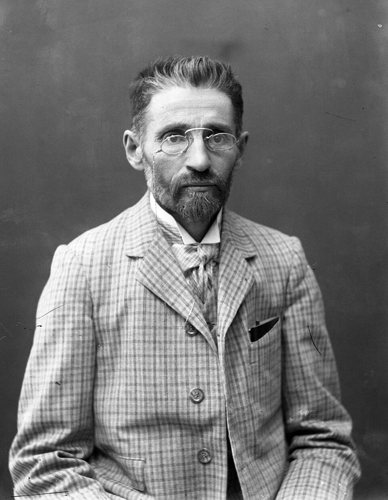 Eliezer Ben-Yehuda1858 – 1922