Hanukkah
−164
Hebrew year: 3622 (ג׳תרכ״ב)
Open on the interactive timeline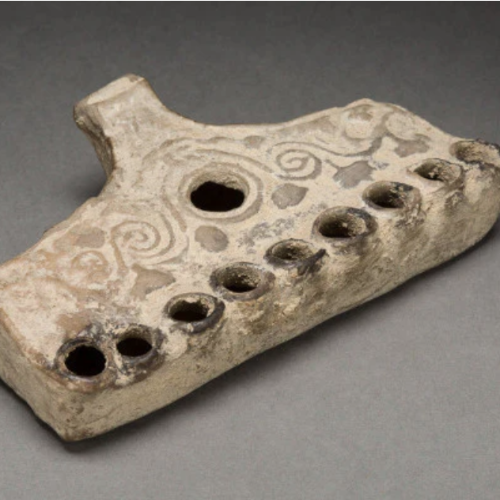
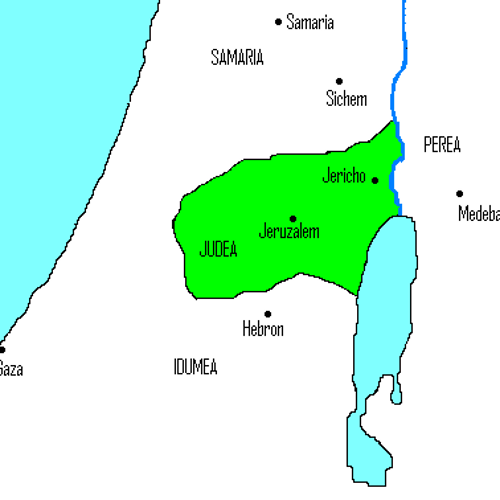
Hanukkah is a Jewish holiday that commemorates the rededication of the Second Temple in Jerusalem in −164, during the Maccabean Revolt against the Seleucid Greek rulers. After Judah Maccabee and his followers regained control of the Temple, they purified it and restored Jewish worship there. The name Hanukkah comes from the Hebrew word חנוכה, meaning “dedication,” referring to the dedication of the Temple altar after it had been desecrated.
The holiday lasts eight days and is remembered through the lighting of the hanukkiah, a special nine-branched menorah. Later Jewish tradition connects the eight days to the miracle of a small amount of oil lasting long enough to keep the Temple lamp burning. Today, Hanukkah represents Jewish survival, religious freedom, resistance against forced assimilation, and the restoration of worship in Jerusalem.
- Hebrew year
- 3622 (ג׳תרכ״ב)
- Place
- Jerusalem
- Category
- Major events
- Part of
- Hellenistic Period