Herodian Coins
−36
Hebrew year: 3725 (ג׳תשכ״ה)
Open on the interactive timeline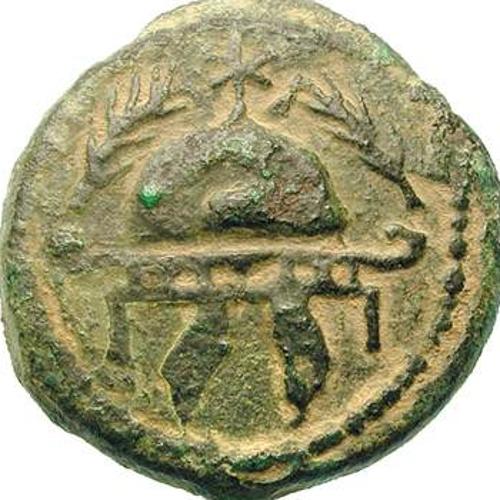
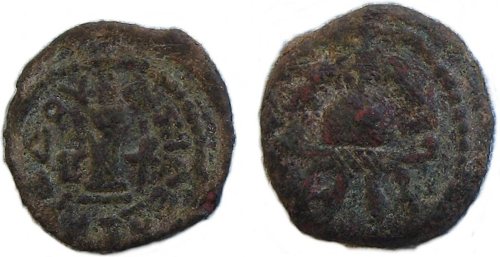
Herodian Coins were issued during the reign of Herod the Great (−37 to −4), the Roman-appointed king of Judea who ruled following the fall of the Hasmonean dynasty.
Minted primarily in bronze, these coins carried Greek inscriptions identifying Herod as king and featured symbols such as anchors, cornucopias, and ceremonial vessels. Unlike Roman imperial coinage, they generally avoided human portraits, reflecting sensitivity to Jewish religious traditions.
The coins illustrate Judea's political transition from Hasmonean independence to Roman client kingship. They provide archaeological evidence of Herod's royal authority, the influence of Hellenistic culture, and the complex relationship between Jewish identity and Roman rule.
- Hebrew year
- 3725 (ג׳תשכ״ה)
- Place
- Jerusalem
- Category
- Archaeology
- Part of
- Roman Rule
At the same time
 King Herod the Great−37 – −4
 Hillel the Elder−110 – 10
 Shemayah & Avtalyon−60 – −30
 Shammai the Elder−50 – 30