Herodian Dynasty
−37
Hebrew year: 3725 (ג׳תשכ״ה)
Open on the interactive timeline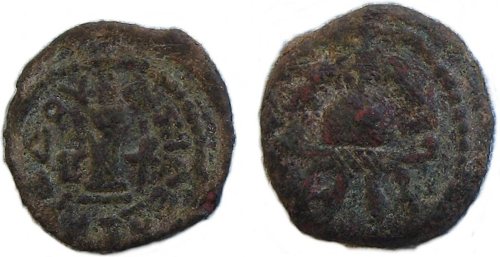
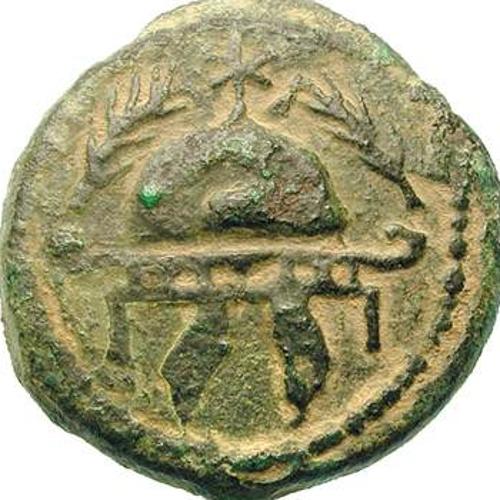
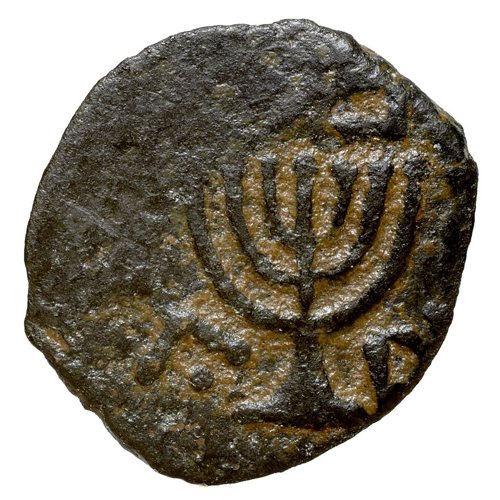
The Herodian dynasty began when Herod the Great, backed by Rome, took Jerusalem in −37 and replaced the last Hasmonean ruler, Antigonus II Mattathias, who was captured and executed by the Romans. Herod was not from the Davidic line or the Hasmonean family; he came from an Idumean background, so many Jews saw him as a Roman-supported outsider. To strengthen his legitimacy, he married Mariamne I, a Hasmonean princess.
Herod’s rule was marked by suspicion and violence toward the remaining Hasmoneans. Hyrcanus II, the former Hasmonean ruler and High Priest, had already been mutilated by Antigonus so he could not serve as High Priest, and Herod later executed him. Herod also executed Mariamne and had her young brother Aristobulus III drowned after the people showed him too much support. From a Jewish perspective, the Herodian dynasty represents the end of true Hasmonean independence and the replacement of Jewish self-rule with a Roman-backed monarchy.
- Hebrew year
- 3725 (ג׳תשכ״ה)
- Place
- Jerusalem
- Category
- Major events
- Part of
- Roman Rule
At the same time
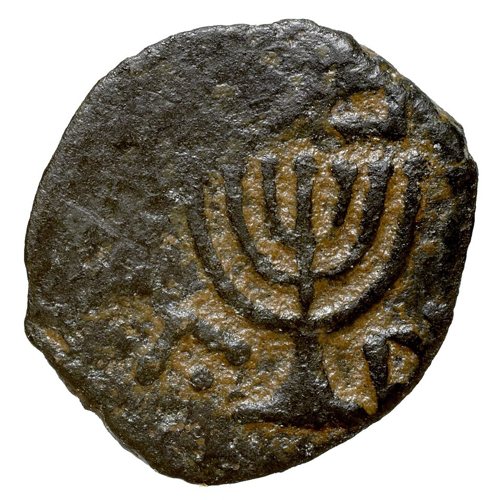 King Antigonus II (High Priest & King)−40 – −37
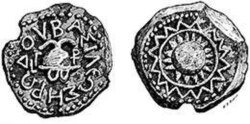 King Herod the Great−37 – −4
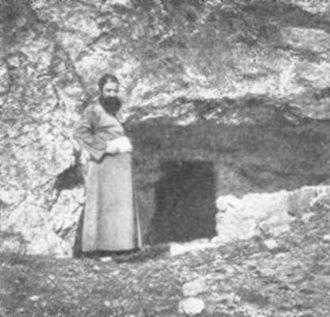 Hillel the Elder−110 – 10
 Shemayah & Avtalyon−60 – −30
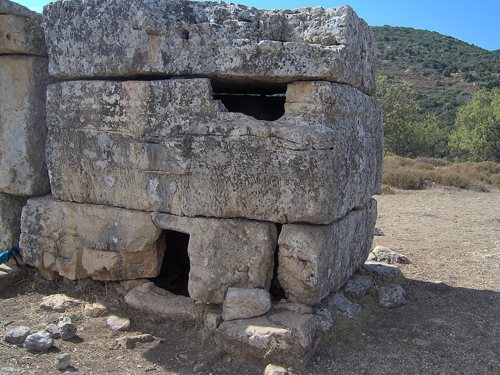 Shammai the Elder−50 – 30