Judea Becomes a Roman Province
6
Hebrew year: 3770 (ג׳תש״ע)
Open on the interactive timeline
In 6 Augustus deposed Herod Archelaus, Herod's son and ethnarch of Judea, Samaria and Idumea, after a joint delegation of Jews and Samaritans complained of his brutality, and exiled him to Vienne in Gaul. Judea became a Roman province run by an equestrian prefect, beginning with Coponius, under the oversight of the governor of Syria, Quirinius. The prefects resided at Caesarea Maritima, came up to Jerusalem with troops at the pilgrimage festivals, appointed and removed high priests, and kept the high priest's vestments locked in the Antonia fortress.
Quirinius's census of property for taxation provoked the revolt of Judas the Galilean, who taught that accepting Roman rule meant accepting a master other than God; Josephus (Antiquities 18.1–10, 23) calls his movement the "fourth philosophy" and traces the later rebels to it. Direct Roman rule, interrupted only by the reign of Agrippa I in 41–44, lasted until the Great Revolt of 66. The best known of the prefects, Pontius Pilate, served from 26 to 36.
- Hebrew year
- 3770 (ג׳תש״ע)
- Place
- Caesarea
- Category
- Major events
- Part of
- Roman Rule
At the same time
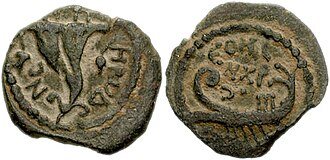 Herod Archelaus (Judea)−4 – 6
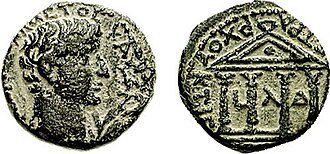 Philip the Tetrarch (northeast territories)−4 – 34
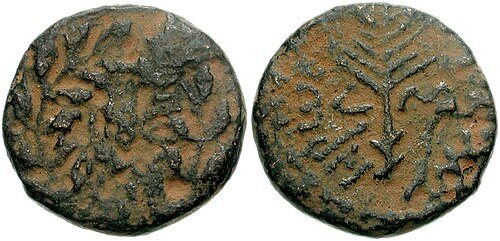 Herod Antipas (Galilee & Perea)−4 – 39
 Hillel the Elder−110 – 10
 Shammai the Elder−50 – 30
 Rabban Gamliel HaZaken−10 – 50