Khosrow II (Persian)
614 · until 628
Hebrew year: 4374 (ד׳שע״ד)
Open on the interactive timeline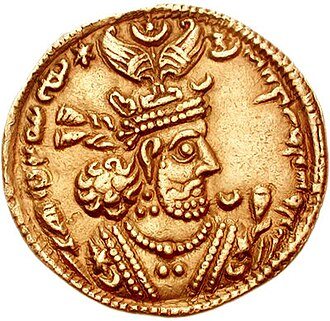
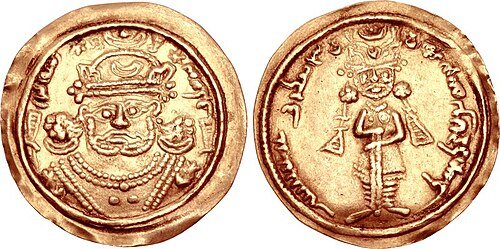
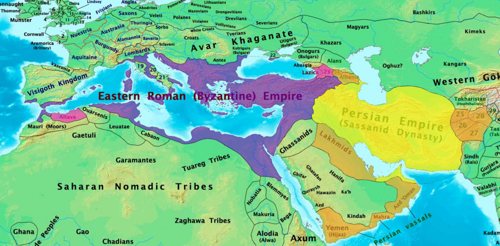
Khosrow II was the king of the Sasanian Persian Empire, Rome/Byzantium’s great eastern rival. During the Byzantine-Sasanian War, his generals invaded the Levant and captured Jerusalem in 614 from the Byzantine Empire. This was a major turning point in the history of the Land of Israel because it temporarily ended Byzantine Christian control over Jerusalem before the Byzantines later recovered the city.
For Jewish history, Khosrow II’s conquest is important because some Jewish groups supported the Persians, hoping that Persian rule would bring relief from Byzantine restrictions and possibly allow renewed Jewish access or autonomy in Jerusalem. According to later accounts, Jews may have participated in the Persian side during the conquest. However, Persian control was short-lived, and Jerusalem returned to Byzantine control before the Muslim conquest a few decades later
- Hebrew year
- 4374 (ד׳שע״ד)
- Place
- Ctesiphon
- Category
- Foreign rulers & empires
- Part of
- Byzantine Period