Kishinev Pogrom
1903
Hebrew year: 5663 (ה׳תרס״ג)
Open on the interactive timeline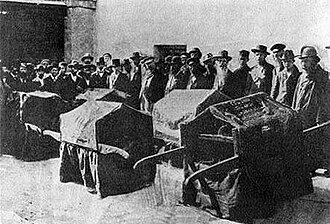
On 19–20 April 1903, at Easter, mobs attacked the Jews of Kishinev, capital of Bessarabia in the Russian Empire. The violence was stirred up by Pavel Krushevan's antisemitic newspaper Bessarabets, which spread a blood libel over the murder of a Christian boy. In two days 49 Jews were killed, hundreds were injured, women were raped, and some 700 houses and 600 shops were looted or destroyed, while police and troops stood by for most of the first day.
Photographs and reports caused an outcry in Europe and the United States. Sent to collect testimony, the poet Hayim Nahman Bialik wrote "In the City of Slaughter", which condemned the victims' passivity as well as the killers. The poem inspired Jewish self-defense groups across Russia, among them young people who later went on to the Second Aliyah. The pogrom also fed the urgency behind the 1903 Uganda proposal debated at the Sixth Zionist Congress.
- Hebrew year
- 5663 (ה׳תרס״ג)
- Place
- Kishinev
- Category
- Persecution & antisemitism
- Part of
- Ottoman Period
At the same time
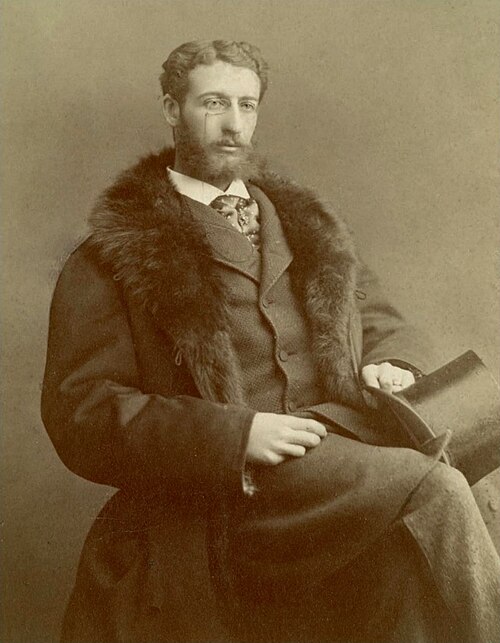 Baron Edmond de Rothschild1845 – 1934
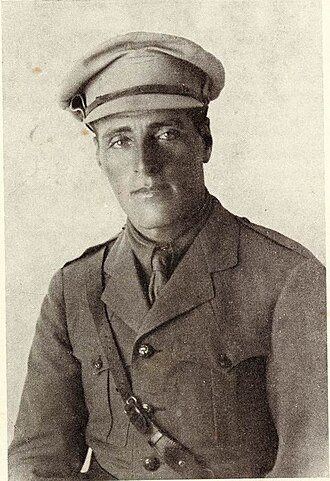 Joseph Trumpeldor1880 – Mar 1920
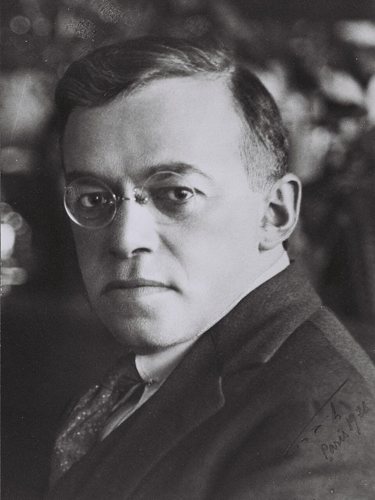 Ze’ev Jabotinsky1880 – 1940
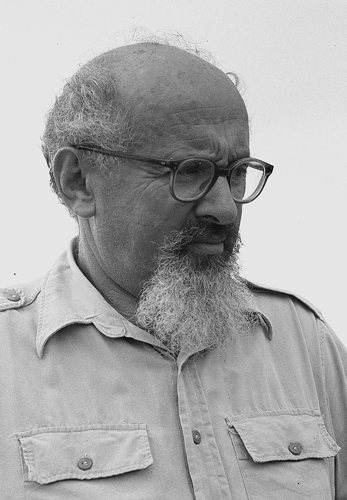 Yitzhak Sadeh1890 – 1952
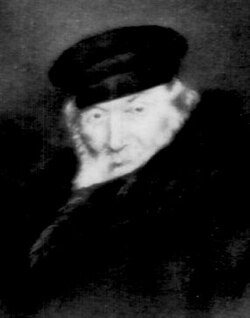 (Chafetz Chaim) Rabbi Yisrael Meir Kagan1838 – 1933
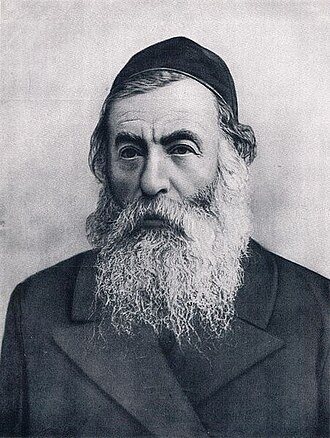 Rabbi Yitzchak Yaakov Reines1839 – 1915
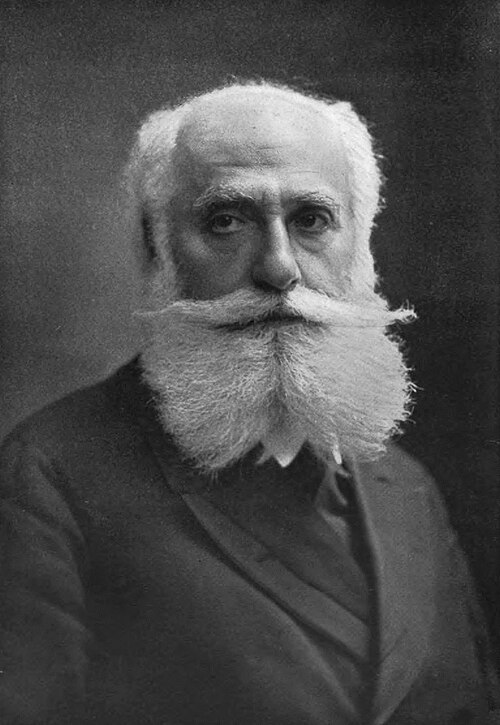 Max Nordau1849 – 1923
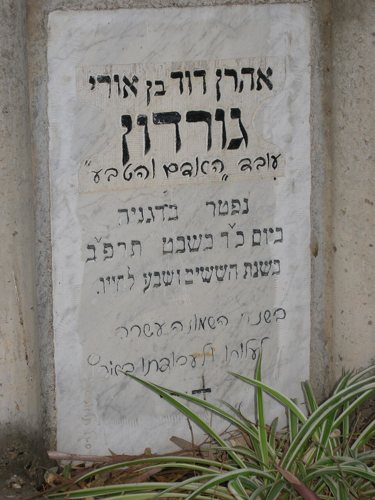 A. D. Gordon1856 – 1922
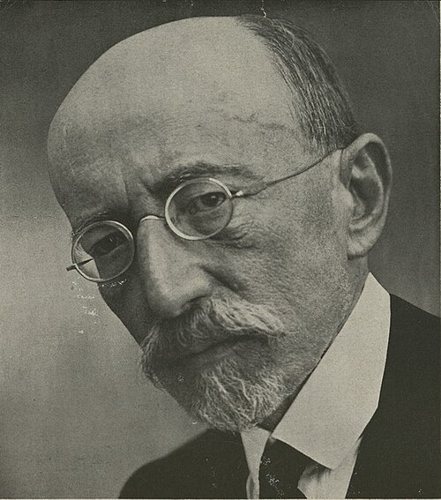 Ahad Ha’am1856 – 1927
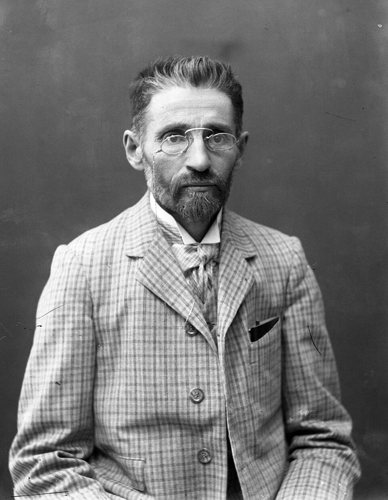 Eliezer Ben-Yehuda1858 – 1922