Kristallnacht
1938
Hebrew year: 5698 (ה׳תרצ״ח)
Open on the interactive timeline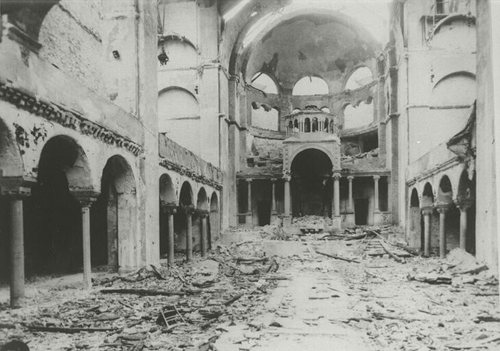
On the night of 9–10 November 1938, after Herschel Grynszpan, a 17-year-old Polish Jew whose family had just been expelled from Germany, shot the German diplomat Ernst vom Rath in Paris, Joseph Goebbels unleashed an organized pogrom across Germany, annexed Austria and the Sudetenland. SA men, Hitler Youth and civilians burned or wrecked more than 1,400 synagogues and prayer houses, smashed about 7,500 Jewish shops and homes and desecrated cemeteries; the shattered glass gave the night its name, "Night of Broken Glass". At least 91 Jews were murdered, and some 30,000 men were sent to Dachau, Buchenwald and Sachsenhausen.
The regime then fined the Jewish community one billion Reichsmarks for the damage and drove Jews out of economic life. Kristallnacht showed the world that German Jews now faced open state violence; within weeks Britain began the Kindertransport, which brought about 10,000 children to safety. It is marked each year on 9 November as the moment the road to the Holocaust became unmistakable.
- Hebrew year
- 5698 (ה׳תרצ״ח)
- Place
- Berlin
- Category
- Persecution & antisemitism
- Part of
- British Mandate
At the same time
 Holocaust - Shoah21 Jun 1933 – 27 Jan 1945
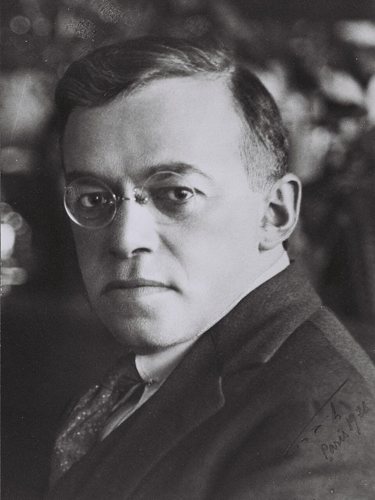 Ze’ev Jabotinsky1880 – 1940
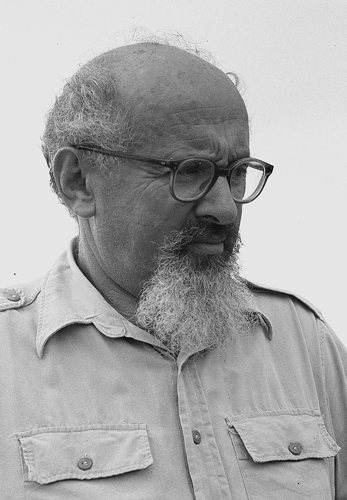 Yitzhak Sadeh1890 – 1952
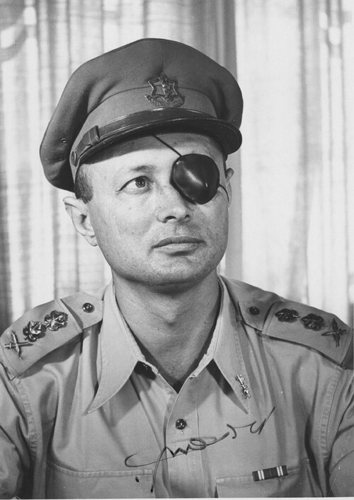 Moshe Dayan1915 – 1981
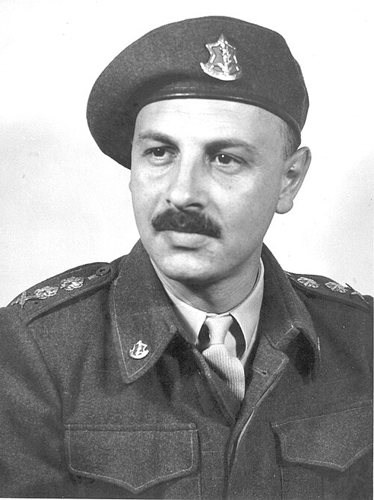 Yigael Yadin1917 – 1984
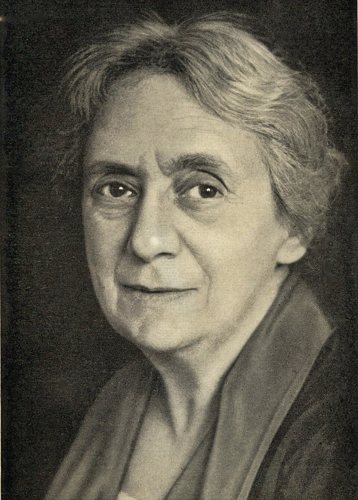 Henrietta Szold1860 – 1945
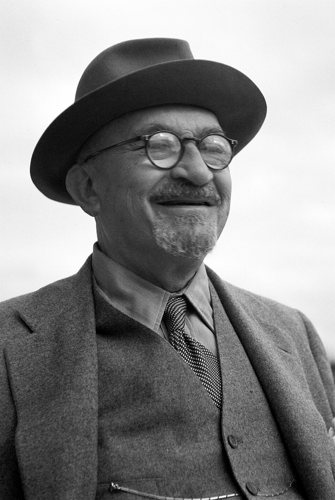 Chaim Weizmann1874 – 1952
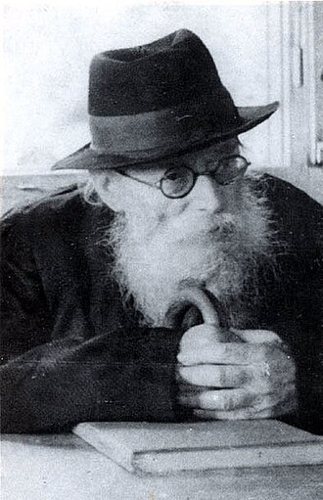 Chazon Ish1878 – 1953
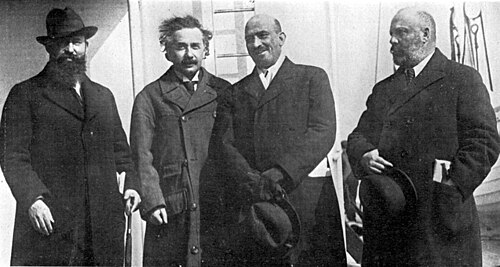 Albert Einstein1879 – 1955
 Berl Katznelson1887 – 1944