Kuntillet Ajrud Inscriptions
−800
Hebrew year: 2961 (ב׳תתקס״א)
Open on the interactive timeline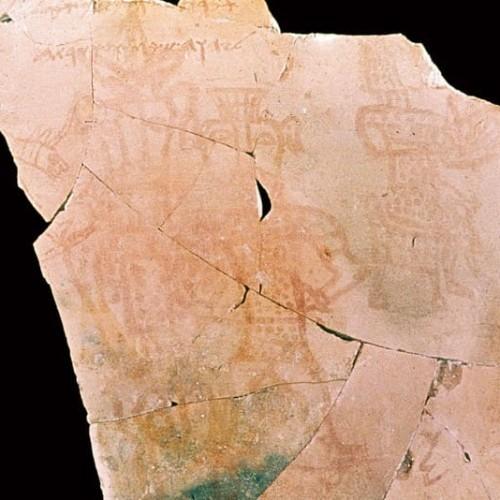
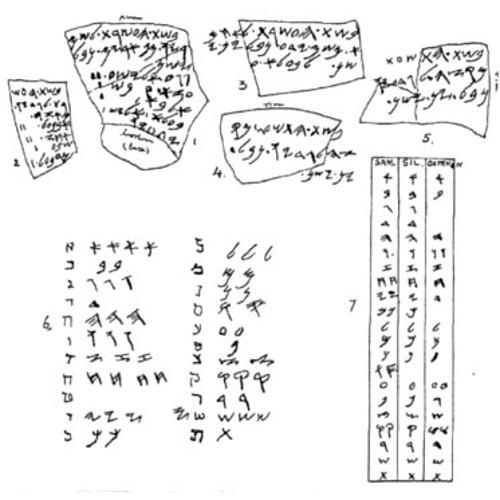
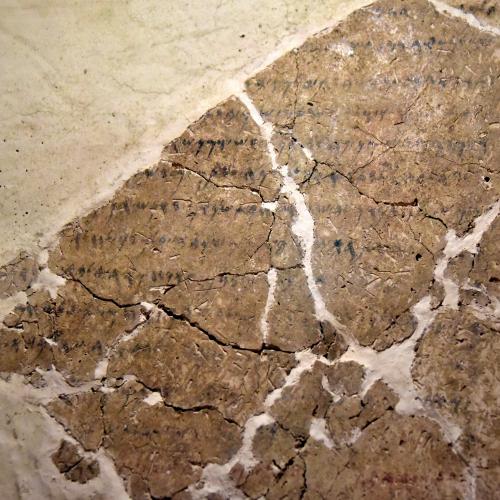
The Kuntillet Ajrud inscriptions, discovered in 1975–1976 in the northeastern Sinai Peninsula, date to the 8th century before the common count. Written in ancient Hebrew script, they contain blessings invoking "YHWH of Samaria" and "YHWH of Teman," alongside the phrase "his Asherah."
Asherah was a Canaanite goddess associated with fertility and motherhood, although the inscription may refer to a sacred cultic object rather than the goddess herself. The Tanakh repeatedly condemns Asherah worship and its associated cultic symbols (Deuteronomy 16:21; 1 Kings 18:19; 2 Kings 23:4–7).
The discovery provides archaeological evidence of religious practices condemned by biblical prophets and reformers, revealing the diversity of Israelite worship before the Babylonian exile.
- Hebrew year
- 2961 (ב׳תתקס״א)
- Place
- Kuntillet Ajrud
- Category
- Archaeology
- Part of
- Israel & Judah
At the same time
 King Joash (Judah)−835 – −795
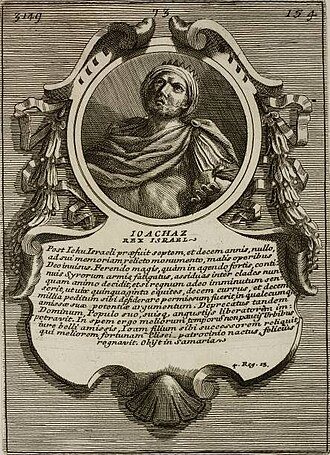 King Jehoahaz (Israel)−814 – −798
 Prophet Elisha (Israel)−850 – −795
 Prophet Joel (Judah)−830 – −800