Letter of Aristeas
−150
Hebrew year: 3611 (ג׳תרי״א)
Open on the interactive timeline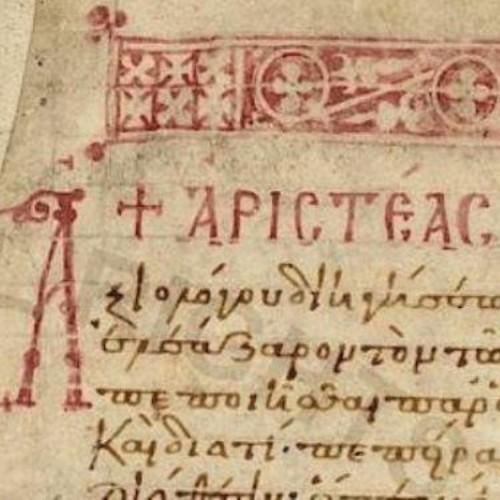
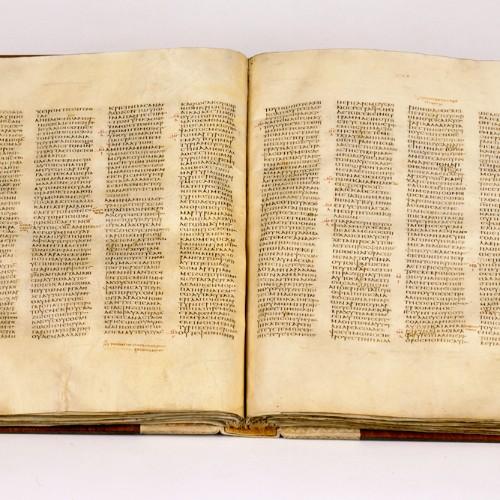
The Letter of Aristeas is a Greek Jewish work composed in Alexandria during the 2nd century before the common count, describing the traditional origins of the Septuagint, the Greek translation of the Torah.
According to the narrative, King Ptolemy II Philadelphus invited 72 Jewish scholars from Jerusalem, six from each tribe of Israel, to translate the Torah into Greek for the Library of Alexandria.
Although presented as an eyewitness account, the work is generally understood as a later Jewish literary narrative rather than a contemporary historical record. It illustrates the importance of the Torah to Greek-speaking Jews and the cultural connections between Jerusalem and the Jewish diaspora in Hellenistic Egypt.
- Hebrew year
- 3611 (ג׳תרי״א)
- Place
- Alexandria
- Category
- Books, scripts & languages
- Part of
- Hellenistic Period
At the same time
 Jonathan Apphus (High Priest)−160 – −142
- Yose ben Yoezer & Yose ben Yochanan−200 – −150
 Yehoshua ben Perachyah & Nittai of Arbela−150 – −100