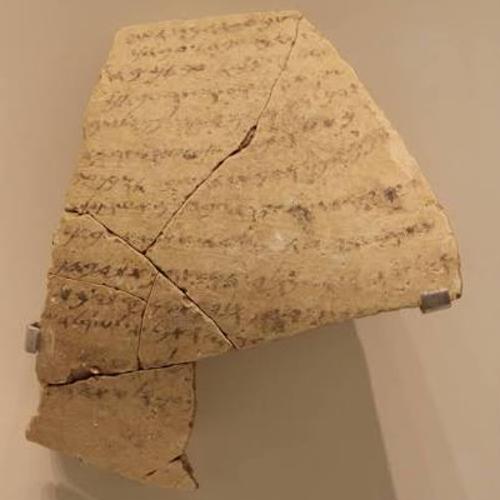
Prophet Nahum (Judah)
−660 – −630
Hebrew years: 3228–3283 (ג׳רכ״ח–ג׳רפ״ג)
Open on the interactive timeline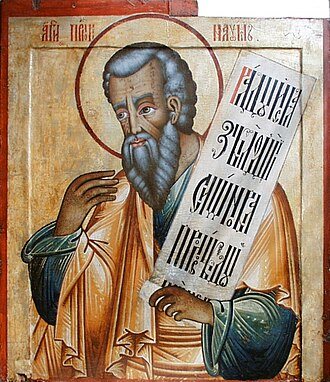
Nahum "the Elkoshite" (Nahum 1:1) devoted his entire short book to one subject: the coming fall of Nineveh, capital of the Assyrian empire that had destroyed Samaria and ravaged Judah. It opens with a partial acrostic hymn to a God "slow to anger and great in power," then pictures the assault in vivid detail: chariots raging through the streets, the river gates opened, silver and gold plundered, "Woe to the bloody city, all full of lies and plunder!" (3:1). He reminds Nineveh that Egyptian Thebes, sacked by Assyria in −663, fell despite its rivers, which dates the book between that event and Nineveh's destruction.
Nineveh fell to the Babylonians and Medes in −612, and the Assyrian empire collapsed within a few years. Judah heard in Nahum the promise "Behold on the mountains the feet of one who brings good news, who proclaims peace" (2:1), and his name means "comfort." Elkosh is unknown: some have linked him to Capernaum (Kfar Nahum) in Galilee, while the Jews of Alqosh in northern Iraq kept a shrine as his tomb until they left Iraq around 1950; it has recently been restored.
- Hebrew years
- 3228–3283 (ג׳רכ״ח–ג׳רפ״ג)
- Place
- Jerusalem
- Category
- Prophets of Judah
- Part of
- Israel & Judah
Read the text
- Nahum 1 · Hebrew and English on Sefaria
At the same time
 King Manasseh (Judah)−687 – −642
 King Josiah (Judah)−640 – −609
 Hilkiah (High Priest)−640 – −609
 Prophet Zephaniah (Judah)−640 – −620
 King Amon (Judah)−642 – −640