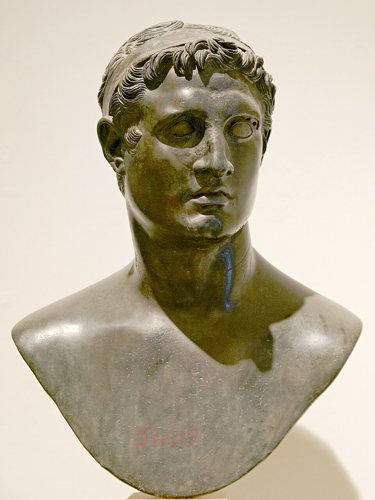
Ptolemy I (Ptolemaic)
−301 · until −283
Hebrew year: 3460 (ג׳ת״ס)
Open on the interactive timeline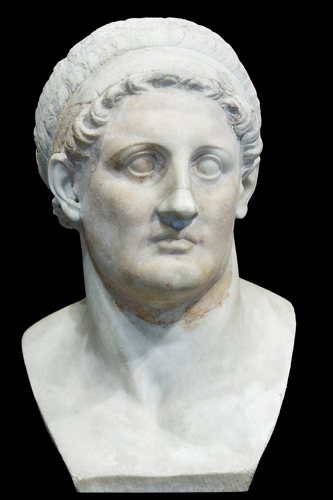
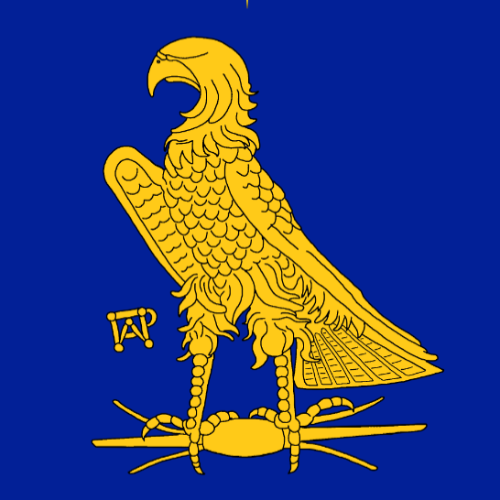
Ptolemy son of Lagus, a Macedonian general and bodyguard of Alexander the Great, took control of Egypt after Alexander's death in −323, proclaimed himself king in −305 and took the name Soter, "Savior." He fought his rivals for Coele-Syria, the land between Egypt and Syria, and secured Judea after the battle of Ipsus in −301. Josephus (Antiquities 12 and Against Apion 1), quoting the Greek historian Agatharchides, says Ptolemy entered Jerusalem on the Sabbath, when the Jews would not fight, and carried many captives to Egypt; the Letter of Aristeas puts their number at 100,000.
Ptolemy settled Jews in Alexandria and in military colonies across Egypt, laying the base of the largest Jewish community of the ancient Diaspora. He also founded the Museum and Library of Alexandria, the setting the Letter of Aristeas gives for the Septuagint translation under his son Ptolemy II. Ptolemaic rule over Judea lasted about a century, until the battle of Panium in −200; the Zenon papyri of around −259 show Ptolemaic agents doing business with Tobiah, a Jewish magnate in Transjordan.
- Hebrew year
- 3460 (ג׳ת״ס)
- Place
- Alexandria
- Category
- Foreign rulers & empires
- Part of
- Hellenistic Period