Readmission of the Jews to England
1656
Hebrew year: 5416 (ה׳תט״ז)
Open on the interactive timeline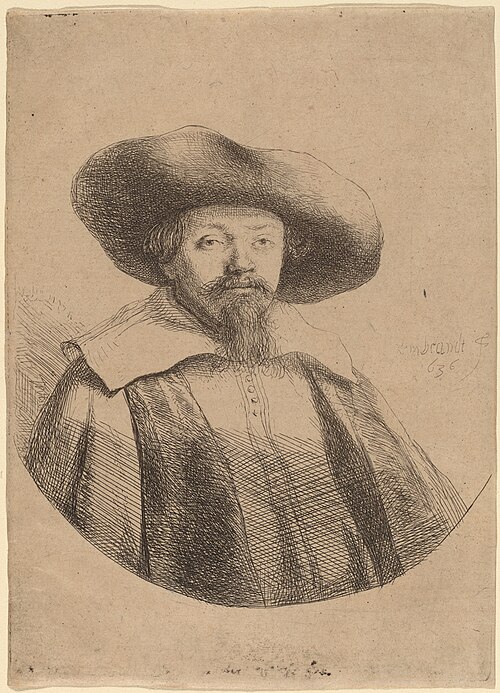
Jews had been banned from England since the expulsion of 1290, though a few converso merchants lived secretly in London. Rabbi Menasseh ben Israel of Amsterdam believed that the Messiah would come only when the Jews were scattered to every corner of the earth (Deuteronomy 28:64), England included, as he wrote in The Hope of Israel (1650). In September 1655 he came to London and presented his Humble Addresses to Oliver Cromwell, the Lord Protector. The Whitehall Conference that met in December 1655 reached no decision, but the judges declared that no law forbade Jews to live in England, since the expulsion had been only a royal decree.
In 1656, during the war with Spain, the property of the converso merchant Antonio Robles was seized as Spanish; he declared himself a Jew of Portuguese origin and won it back. In March 1656 the London Jews openly petitioned Cromwell for the right to worship and to bury their dead. A synagogue opened in Creechurch Lane, and in 1657 a cemetery at Mile End. Menasseh died in 1657, but the community he made possible grew into the Jewry of Britain.
- Hebrew year
- 5416 (ה׳תט״ז)
- Place
- London
- Category
- Major events
- Part of
- Ottoman Period
Read the text
- Deuteronomy 28:64 · Hebrew and English on Sefaria