Sennacherib's siege of Jerusalem
−701
Hebrew year: 3213 (ג׳רי״ג)
Open on the interactive timeline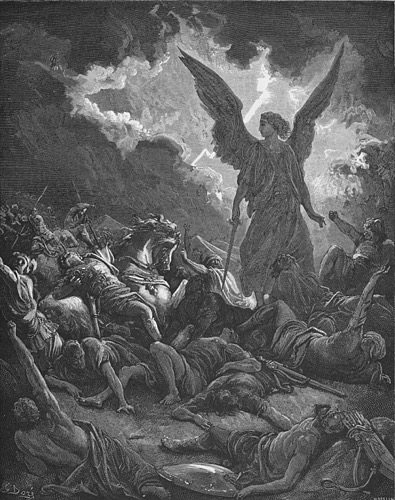
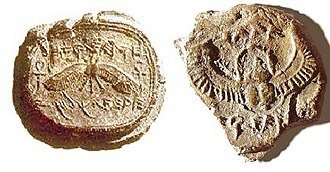
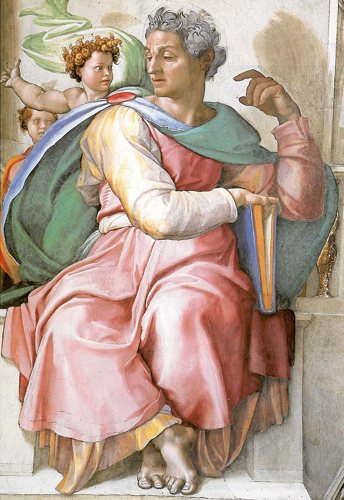
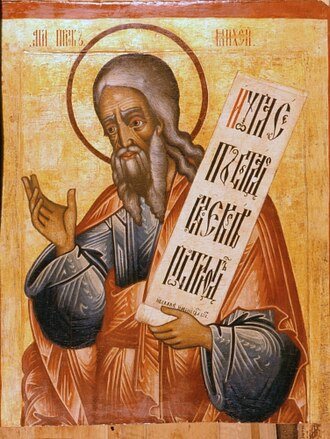
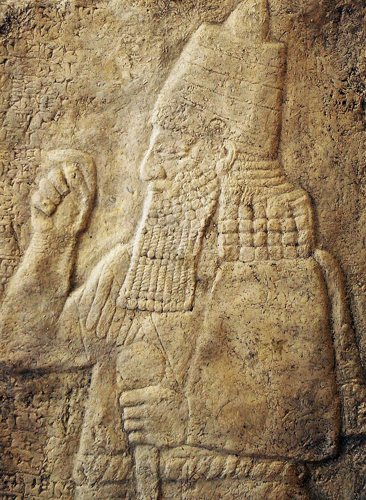
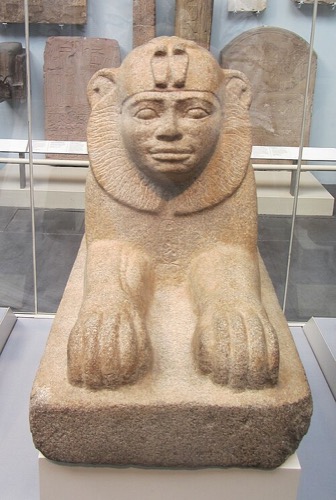
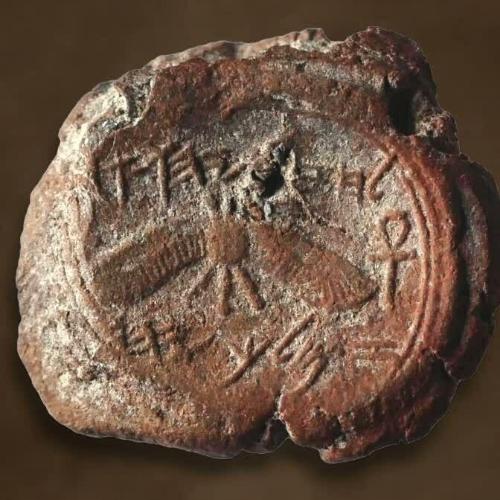
In −701, the fourteenth year of Hezekiah, the Assyrian king Sennacherib invaded Judah to punish its revolt. 2 Kings 18–19 and Isaiah 36–37 tell that he took "all the fortified cities of Judah." Hezekiah sent him 300 talents of silver and 30 of gold, stripping even the Temple doors, but from Lachish Sennacherib sent his Rabshakeh to the walls of Jerusalem to demand surrender, mocking Hezekiah's trust in God and in Egypt in Hebrew, for the men on the wall to hear. Hezekiah spread the Assyrian letter before the Lord in the Temple, and Isaiah promised, "He shall not come into this city, nor shoot an arrow there." That night the angel of the Lord struck 185,000 in the Assyrian camp, and Sennacherib returned to Nineveh, where his sons later killed him.
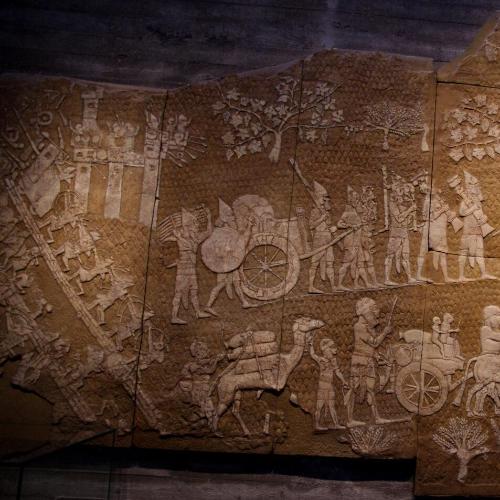
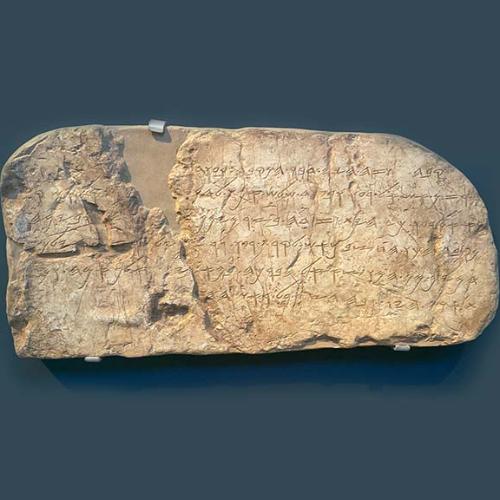
Sennacherib's own annals on the Taylor Prism claim 46 walled cities and 200,150 people taken, and say he shut Hezekiah up in Jerusalem "like a bird in a cage" and received heavy tribute, but they never claim the city fell. The Lachish reliefs, the siege ramp at Lachish and Hezekiah's Tunnel all bear witness to the war.
- Hebrew year
- 3213 (ג׳רי״ג)
- Place
- Jerusalem
- Category
- Wars & battles
- Part of
- Israel & Judah
Read the text
- 2 Kings 18 · Hebrew and English on Sefaria
- 2 Kings 19 · Hebrew and English on Sefaria
- Isaiah 36 · Hebrew and English on Sefaria
- Isaiah 37 · Hebrew and English on Sefaria