Prophet Isaiah (Judah)
−740 – −680
Hebrew years: 3142–3081 (ג׳קמ״ב–ג׳פ״א)
Open on the interactive timeline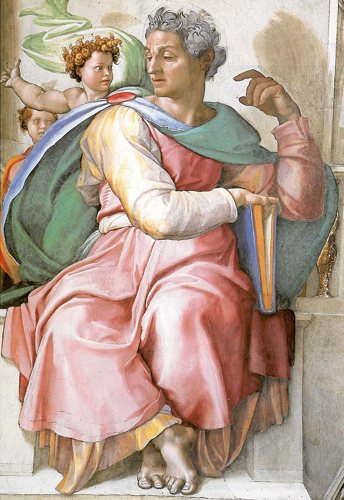
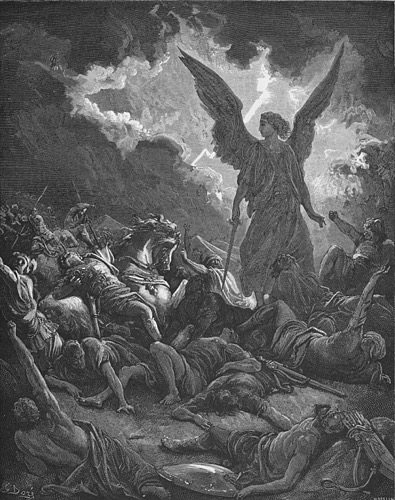
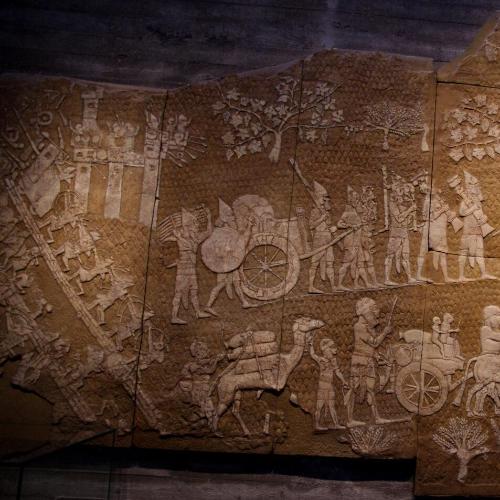
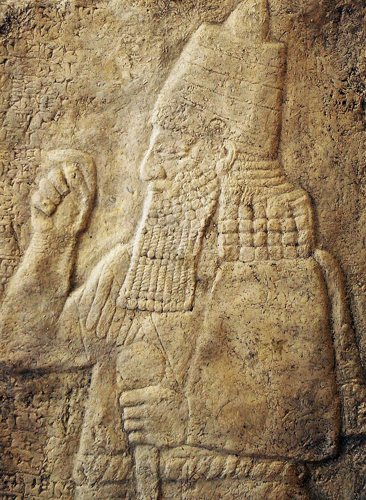
Isaiah son of Amoz prophesied in Jerusalem under Uzziah, Jotham, Ahaz and Hezekiah (Isaiah 1:1). His call came "in the year King Uzziah died," in a vision of God enthroned in the Temple, seraphim calling "Holy, holy, holy," and a burning coal touched to his lips (Isaiah 6). During the Syro-Ephraimite War he met King Ahaz by the upper pool with his son Shear-jashub ("a remnant will return"), urged him not to fear Rezin and Pekah, and gave the sign of Immanuel. In −701, as Sennacherib's army stood before Jerusalem, he assured Hezekiah that the city would not fall, and he foretold the king's recovery from a mortal illness.
His words run through Jewish life: the seraphim's cry is the Kedushah of daily prayer, "Comfort, comfort my people" (Isaiah 40) opens the seven haftarot of consolation after Tisha B'Av, and "they shall beat their swords into plowshares" is carved on a wall facing the United Nations. The Great Isaiah Scroll from Qumran, copied around −125, preserves all 66 chapters. Many scholars assign chapters 40–66 to later prophets of the Exile and Return, and the Talmud (Yevamot 49b) tells that King Manasseh had him put to death.
- Hebrew years
- 3142–3081 (ג׳קמ״ב–ג׳פ״א)
- Place
- Jerusalem
- Category
- Prophets of Judah
- Part of
- Israel & Judah
Read the text
At the same time
 Prophet Micah (Judah)−735 – −700
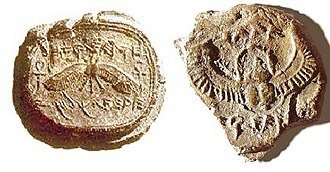 King Hezekiah (Judah)−716 – −687
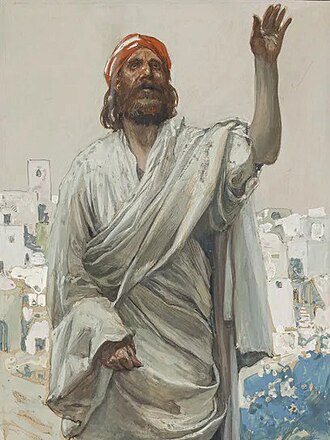 Prophet Hosea (Israel)−760 – −722
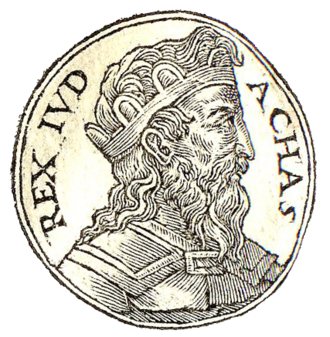 King Ahaz (Judah)−732 – −716
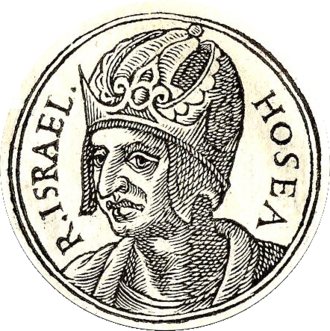 King Hoshea (Israel)−732 – −722
 King Pekah (Israel)−740 – −732
 King Jotham (Judah)−740 – −732
 King Manasseh (Judah)−687 – −642
 King Uzziah (Judah)−767 – −740
 King Pekahiah (Israel)−742 – −740