Al-Yahudu tablets
−572
Hebrew year: 3189 (ג׳קפ״ט)
Open on the interactive timeline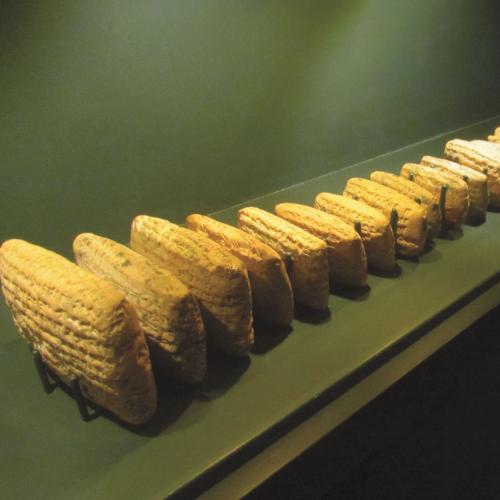
A collection of roughly 200 clay tablets written in Akkadian cuneiform documenting Judean exiles living in rural Babylonia after the destruction of the First Temple. They are named for the settlement that appears most often in them, āl-Yāhūdu — "the town of Judah" — a village of deportees in the countryside near Nippur, alongside other places with names recalling towns in Judah. The texts are ordinary legal documents: promissory notes, land leases, and receipts tied to the land-for-service system, and the earliest preserved tablet from the village is dated to −572, about fifteen years after the Temple fell. The latest belongs to −477, in the reign of Xerxes I.
- Hebrew year
- 3189 (ג׳קפ״ט)
- Place
- Babylon
- Category
- Archaeology
- Part of
- Babylonian Exile