Prophet Obadiah (Judah)
−590 – −570
Hebrew years: 3021–3041 (ג׳כ״א–ג׳מ״א)
Open on the interactive timeline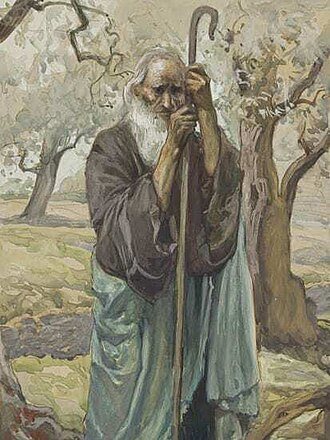
The Book of Obadiah, only 21 verses long, is the shortest book in the Hebrew Bible. It condemns Edom, the nation descended from Esau, Jacob's brother, for its conduct when Jerusalem fell: the Edomites stood aloof while strangers carried off Jacob's wealth and cast lots over the city, gloated over Judah's disaster, looted, and waited at the crossroads to cut down fugitives (verses 11–14). The prophet mocks Edom's pride in its rock fortresses, "though you soar like the eagle and set your nest among the stars, from there I will bring you down," and declares, "As you have done, it shall be done to you."
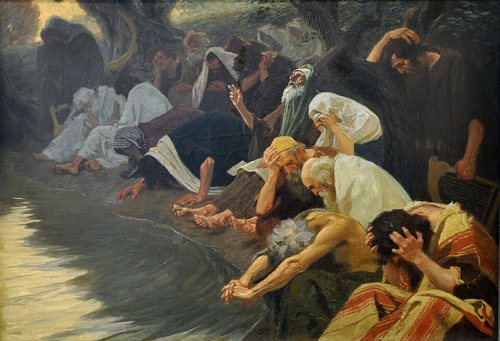
Psalm 137 keeps the same memory of Edomites crying "Raze it, raze it!" on the day of Jerusalem's fall. Nothing certain is known of Obadiah himself; the Talmud (Sanhedrin 39b) identifies him with Ahab's God-fearing steward Obadiah, who hid a hundred prophets from Jezebel, and calls him an Edomite convert. In rabbinic literature Edom later became a code name for Rome. The book's last verse, "Saviors shall go up on Mount Zion... and the kingdom shall be the Lord's," is recited daily after the Song of the Sea in the morning prayers.
- Hebrew years
- 3021–3041 (ג׳כ״א–ג׳מ״א)
- Place
- Jerusalem
- Category
- Prophets of Judah
- Part of
- Babylonian Exile
Read the text
- Obadiah 1 · Hebrew and English on Sefaria
At the same time
 Baruch ben Neriah−605 – −570
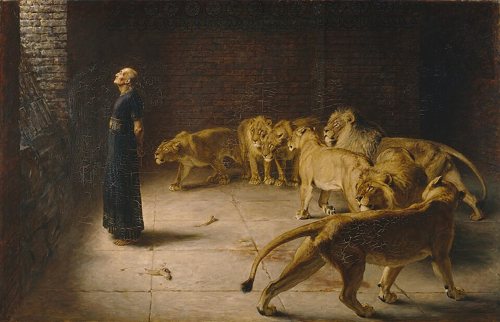 Book of Daniel (Exile)−605 – −503
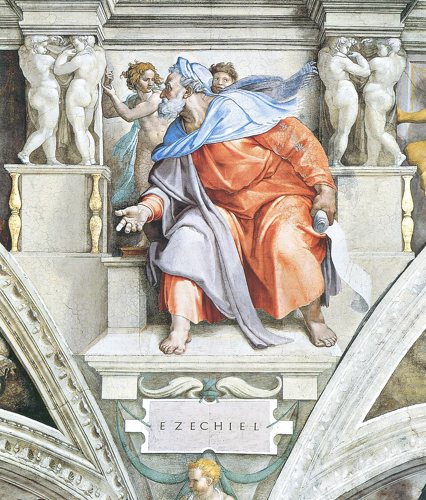 Prophet Ezekiel (Exile)−593 – −570
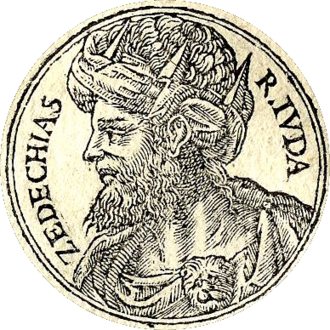 King Zedekiah (Judah)−597 – −586
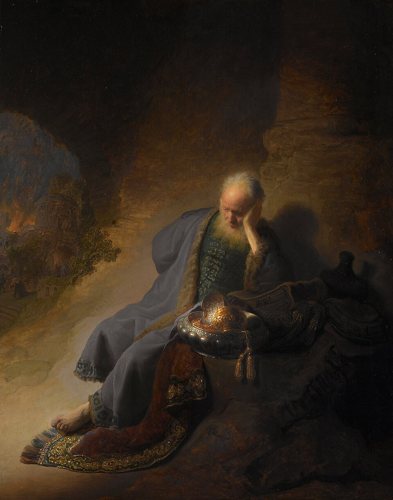 Prophet Jeremiah (Judah)−627 – −586
- Governor Gedaliah−586 – −582