Alexander the Great (Greece)
−332 · until −323
Hebrew year: 3448 (ג׳תמ״ח)
Open on the interactive timeline
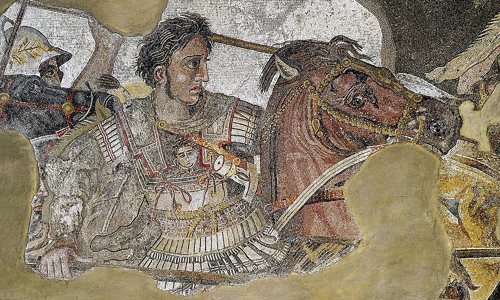
Alexander the Great was the Macedonian king who destroyed the Persian Empire and spread Greek/Hellenistic culture across the Near East. Around −332, after conquering the eastern Mediterranean coast, the Land of Israel came under Greek control. This began the Hellenistic period in Jewish history, when Greek language, culture, philosophy, and politics deeply influenced Judea. This later created tension between traditional Jewish life and Hellenistic culture, eventually leading toward the Maccabean period.
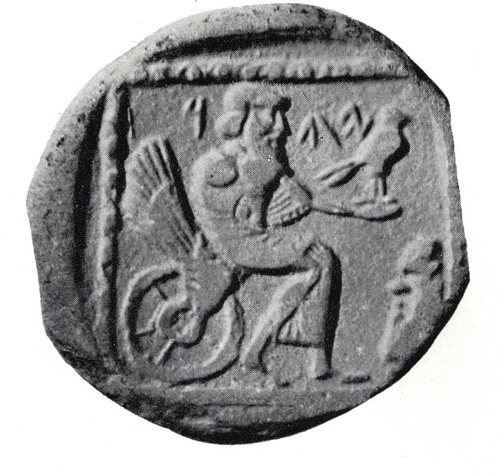
Alexander’s conquest is well documented in classical historical sources and by the spread of Hellenistic rule, coinage, cities, and institutions across the region. For Judea specifically, the evidence is more about the historical transition from Persian to Hellenistic rule than one single “Alexander in Jerusalem” artifact.
- Hebrew year
- 3448 (ג׳תמ״ח)
- Place
- Pella
- Category
- Foreign rulers & empires
- Part of
- Hellenistic Period