Almohad persecution
1147
Hebrew year: 4907 (ד׳תתק״ז)
Open on the interactive timeline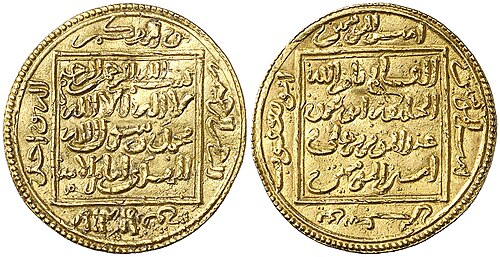
The Almohads (al-Muwahhidun), a Berber reform movement from the Atlas Mountains, took Marrakesh in 1147 under the caliph Abd al-Mu'min and crossed into al-Andalus, taking Seville and, in 1148, Córdoba. Unlike earlier Muslim rulers, they did not accept Jews and Christians as protected dhimmis: they were to convert to Islam, leave, or be killed. Synagogues and academies were closed, and the old communities of Córdoba, Lucena, Seville and Fez came to an end. Abraham ibn Ezra mourned them city by city in his elegy "Aha yarad al Sefarad". Many Jews lived outwardly as Muslims while keeping Judaism in secret, and later Almohad rulers made such converts wear special clothing.
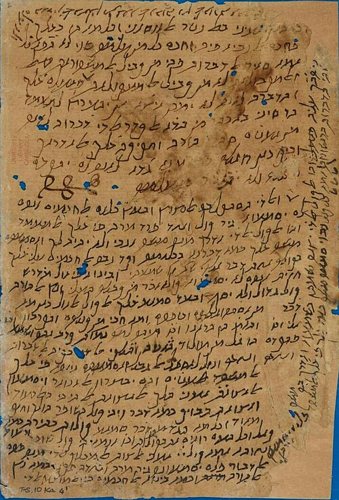
Among those who fled was the family of Rabbi Maimon, a judge of Córdoba, with his son Moshe, the future Rambam, then about ten. They wandered for years in Spain, lived in Fez from about 1160, sailed to Acre in 1165 and settled in Egypt. The Rambam's Epistle on Martyrdom (Iggeret HaShmad) answered those living as forced converts. Others fled to Christian Toledo and to Provence, among them the Ibn Tibbon and Kimchi families, carrying Andalusian learning into Europe.
- Hebrew year
- 4907 (ד׳תתק״ז)
- Place
- Córdoba
- Category
- Persecution & antisemitism
- Part of
- Crusaders & Ayyubids
At the same time
 Abraham ibn Ezra1089 – 1167
 Rabbeinu Tam1100 – 1171
 (Raavad) Rabbi Avraham ben David of Posquières1125 – 1198
 (Rambam) Moshé ben Maimón1138 – 1204