Amarna Letters
−1350
Hebrew year: 2411 (ב׳תי״א)
Open on the interactive timeline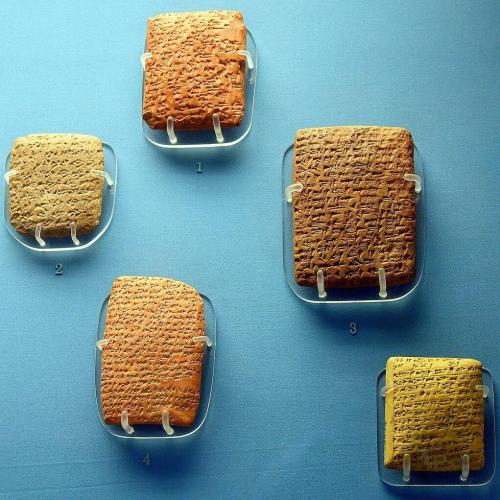
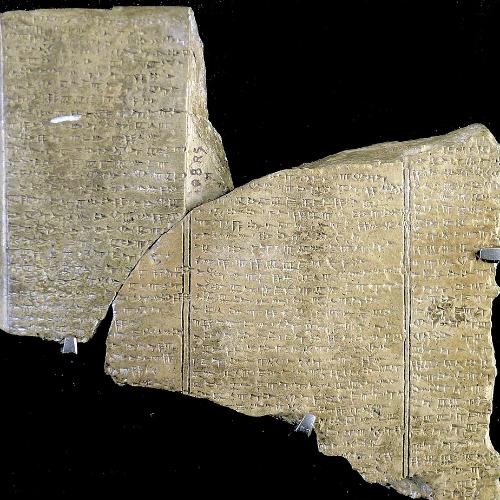
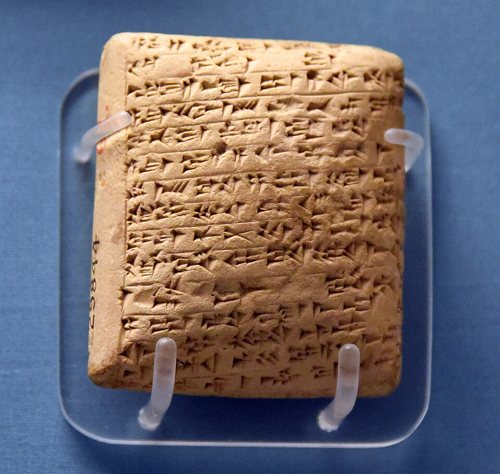
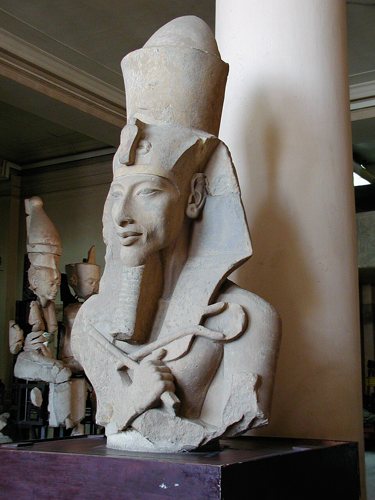
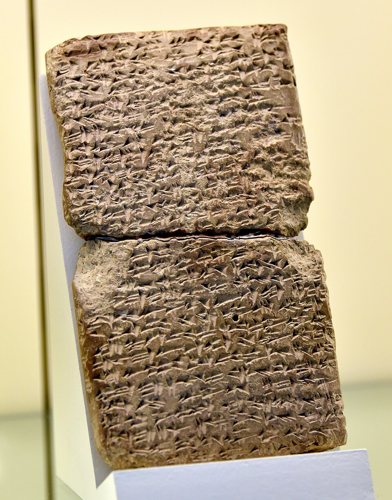
The Amarna Letters are approximately 350 diplomatic clay tablets from 14th-century before the common count Egypt, documenting relations between the pharaoh (Akhenaten) and Canaanite city-states, including Jerusalem, Shechem, and Megiddo.
The letters describe political instability, military conflicts, and attacks by groups known as the "Habiru" or "Apiru." Some scholars have proposed a possible connection between these groups and the early Hebrews, although their identities remain distinct in the historical evidence.
The correspondence dates to approximately the same period traditionally associated with the Israelite conquest of Canaan, providing valuable insight into the political and social conditions of the region described in the Book of Joshua.
- Hebrew year
- 2411 (ב׳תי״א)
- Place
- Amarna
- Category
- Archaeology
- Part of
- Conquest & Judges