Akhenaten (Egypt)
−1350 · until −1336
Hebrew year: 2411 (ב׳תי״א)
Open on the interactive timeline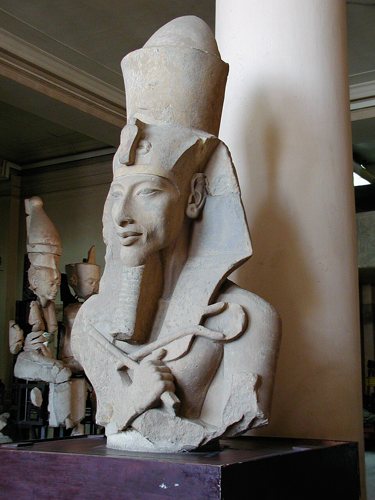
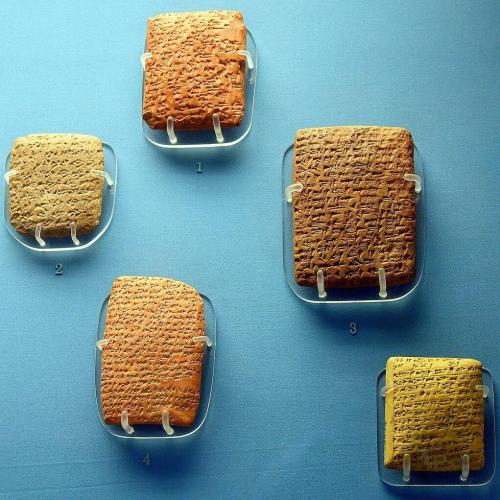
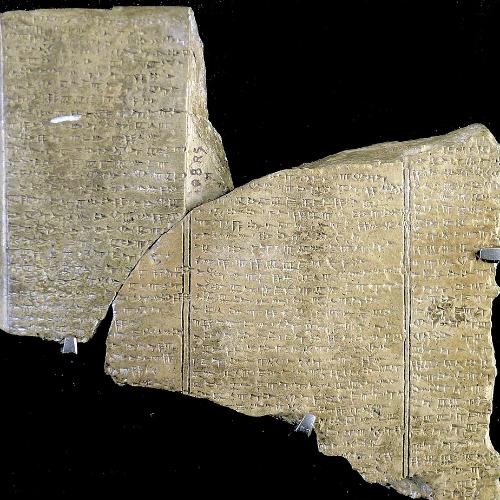
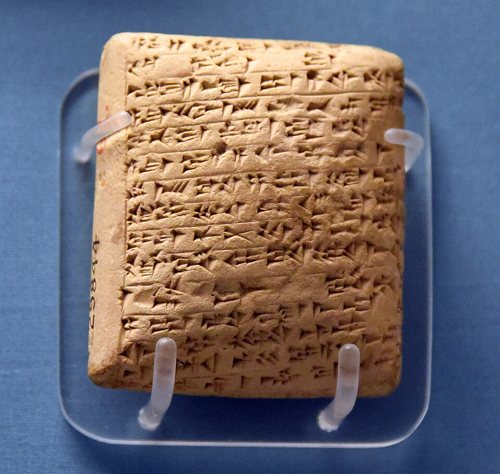
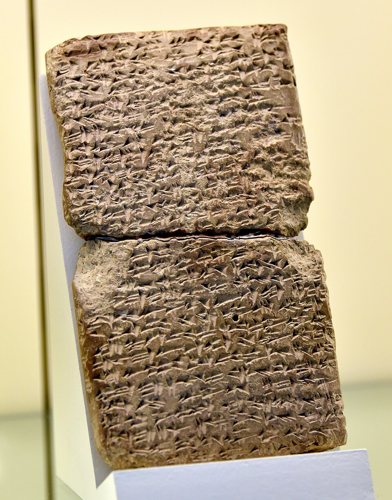
Akhenaten, originally named Amenhotep IV, was an Egyptian pharaoh of the 18th Dynasty. He is famous for his religious revolution, in which he promoted the worship of the sun disk Aten and moved Egypt’s capital to Akhetaten, modern Amarna. His reign is important for the history of Israel and Canaan because the Amarna Letters come from this period. These letters show that Canaan was under Egyptian influence and was made up of local city-states, such as Jerusalem, Gezer, Shechem, Megiddo, and others, whose rulers wrote to Egypt asking for help against enemies and political instability.
For Israelite history, Akhenaten’s period is especially interesting because the Amarna Letters mention groups called the Habiru/Apiru, who appear as outsiders, raiders, rebels, or displaced groups causing problems for Canaanite city-states. Some theories connect the Habiru with the broader background of early Hebrews or early Israelite settlement, although they should not be treated as exactly identical to Israel. In an early Exodus timeline, the Amarna period could fit after the Exodus and during a period of instability in Canaan before Israel became a clearly recognized people by the time of the Merneptah Stele around −1208.
- Hebrew year
- 2411 (ב׳תי״א)
- Place
- Amarna
- Category
- Foreign rulers & empires
- Part of
- Conquest & Judges