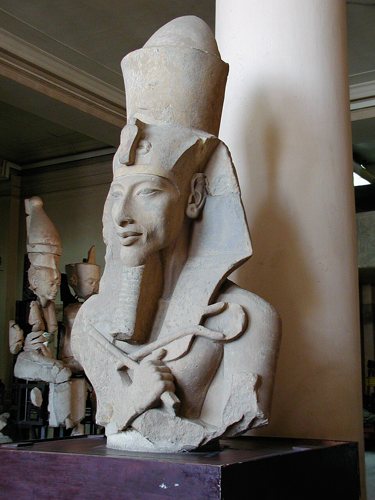
Abdi-Heba (Urusalim Canaan)
−1350 · until −1330
Hebrew year: 2411 (ב׳תי״א)
Open on the interactive timeline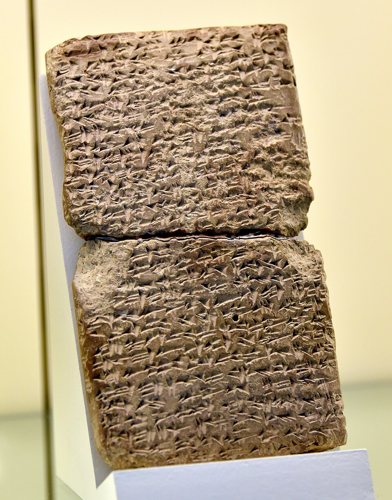
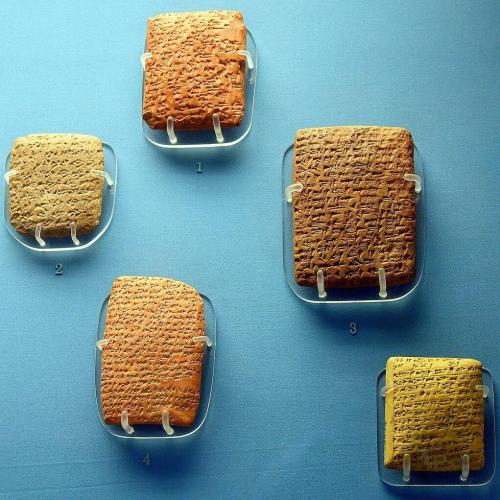
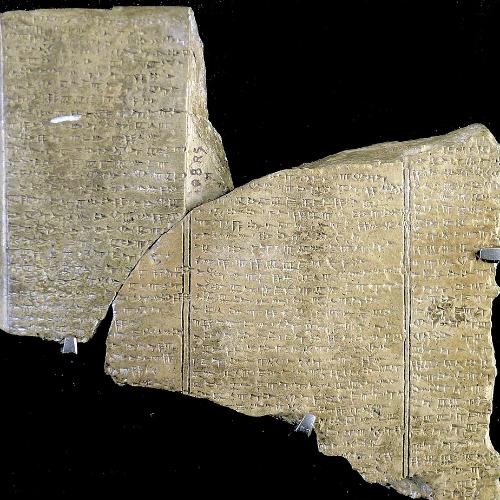
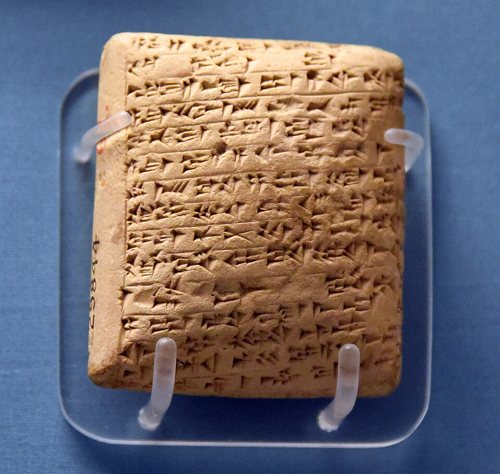
Abdi-Heba was the Canaanite ruler of Jerusalem during the 14th century before the common count, when the city was under Egyptian authority. He is historically documented in the Amarna Letters, where he appeals to Pharaoh Akhenaten for military assistance against neighboring rulers and groups known as the Habiru or Apiru.
His correspondence describes political instability throughout Canaan, including conflicts involving Shechem and Gezer. Some scholars have explored possible connections between the Apiru and the early Hebrews, although they cannot be directly identified as Israelites.
Abdi-Heba's letters provide important evidence that Jerusalem was an established Canaanite political center centuries before King David made it the capital of Israel.
- Hebrew year
- 2411 (ב׳תי״א)
- Place
- Jerusalem
- Category
- Foreign rulers & empires
- Part of
- Conquest & Judges
At the same time
 Phinehas (High Priest)−1370 – −1330
 Judge Othniel−1375 – −1335
 Judge Ehud−1335 – −1295
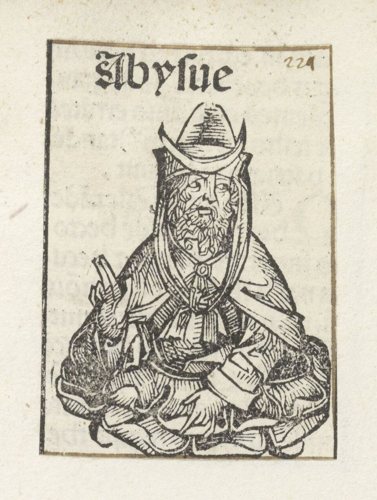 Abishua (High Priest)−1330 – −1290