Antiochus III (Seleucid)
−198 · until −187
Hebrew year: 3563 (ג׳תקס״ג)
Open on the interactive timeline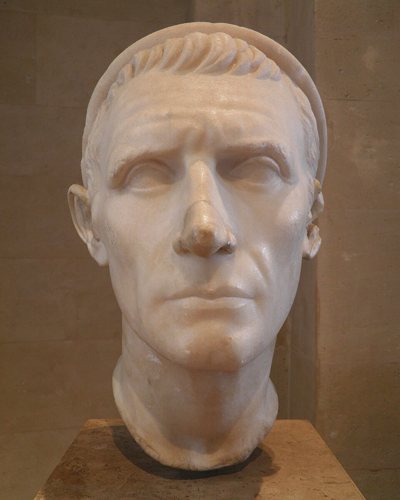
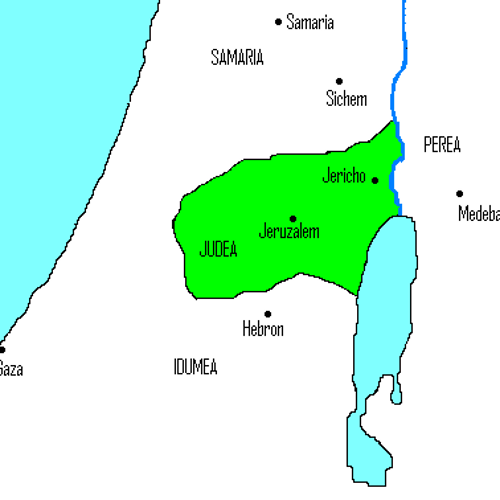
Antiochus III, called "the Great," ruled the Seleucid Empire from Antioch and restored its power with campaigns from Asia Minor to India. His victory at Panium in −200 won him Coele-Syria, and by −198 Judea was firmly his. Josephus (Antiquities 12.138–146) preserves his charter for Jerusalem: the Jews could live by their ancestral laws; the council of elders, priests, Temple scribes and singers were freed from taxes; and the Temple received wine, oil, salt and timber for repairs. A second decree barred foreigners from the Temple precinct and banned impure animals from the city. He also settled 2,000 Jewish families from Babylonia in Lydia and Phrygia as loyal colonists.
His expansion collided with Rome. Defeated at Magnesia in −190, he accepted the Treaty of Apamea, which imposed an indemnity of 15,000 talents and sent his son, the future Antiochus IV, to Rome as a hostage. The debt pushed the Seleucids to seize temple treasures: Antiochus III was killed in −187 while plundering a temple of Bel in Elymais, and his successors' need for money soon reached the Temple in Jerusalem.
- Hebrew year
- 3563 (ג׳תקס״ג)
- Place
- Antioch
- Category
- Foreign rulers & empires
- Part of
- Hellenistic Period
At the same time
 Mattathias ben Johanan−205 – −166
- Yose ben Yoezer & Yose ben Yochanan−200 – −150
 Judah Maccabee (Commander)−190 – −160