Anwar Sadat (Egypt)
1970 · until 1981
Hebrew year: 5730 (ה׳תש״ל)
Open on the interactive timeline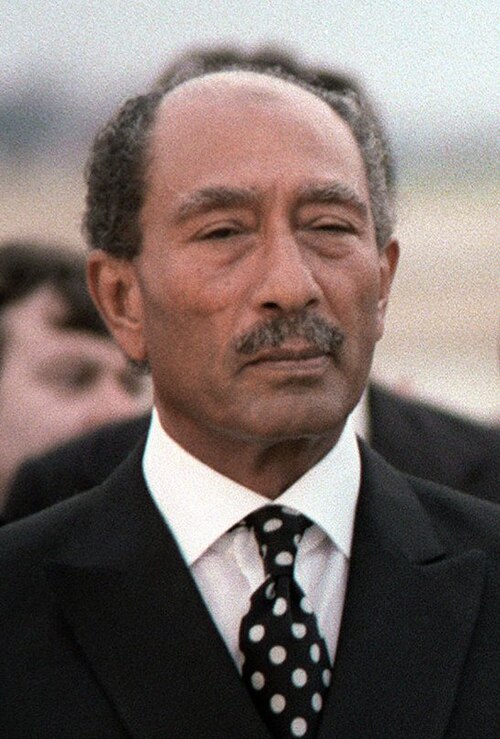
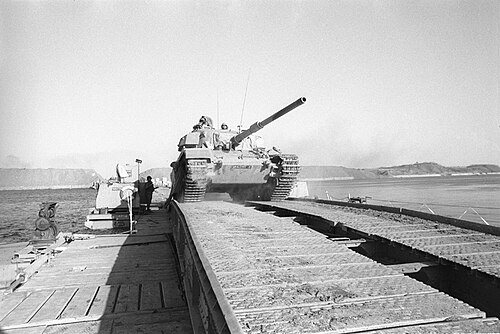
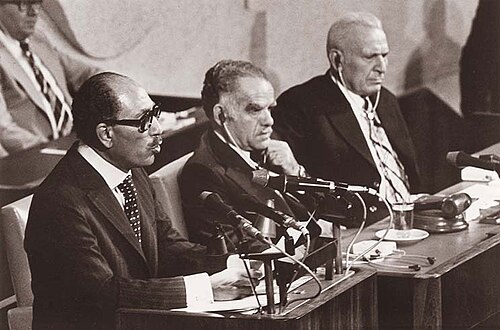
Anwar Sadat, one of the Free Officers and Nasser's vice president, became President of Egypt on 15 October 1970, after Nasser's death. On 6 October 1973, Yom Kippur, Egypt and Syria attacked Israel by surprise: Egyptian forces crossed the Suez Canal and overran the Bar-Lev Line before the IDF recovered, crossed the canal itself and encircled the Egyptian Third Army. The opening success restored Egypt's pride, and Sadat used it to change course. In November 1977 he flew to Jerusalem and spoke in the Knesset, the first Arab head of state to visit Israel openly.
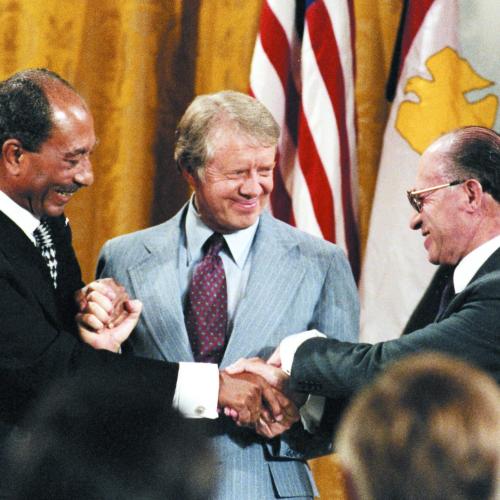
At Camp David in September 1978 he and Menachem Begin agreed on a framework for peace, for which they shared the Nobel Peace Prize, and on 26 March 1979 they signed the Egypt–Israel Peace Treaty, under which Israel gave back all of Sinai. Much of the Arab world shunned Egypt for it. On 6 October 1981, at a parade marking the 1973 crossing, Sadat was assassinated by Islamist soldiers led by Khalid al-Islambouli. Begin flew to Cairo for his funeral, and the peace he made has lasted.
- Hebrew year
- 5730 (ה׳תש״ל)
- Place
- Cairo
- Category
- Foreign rulers & empires
- Part of
- State of Israel
At the same time
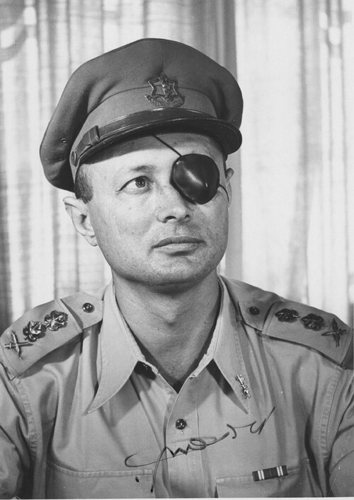 Moshe Dayan1915 – 1981
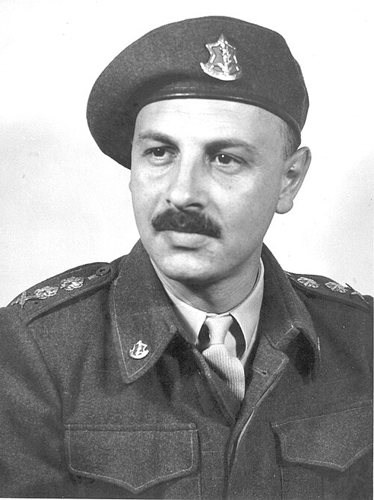 Yigael Yadin1917 – 1984
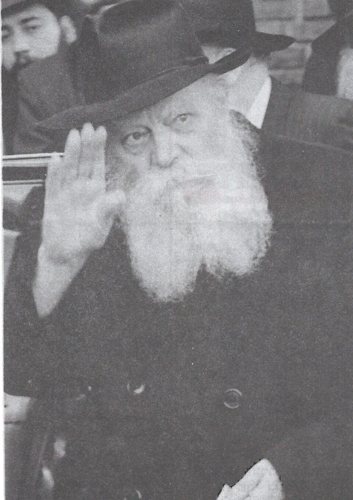 Rabbi Menachem Mendel Schneerson1902 – 1994
 Rabbi Joseph B. Soloveitchik1903 – 1993
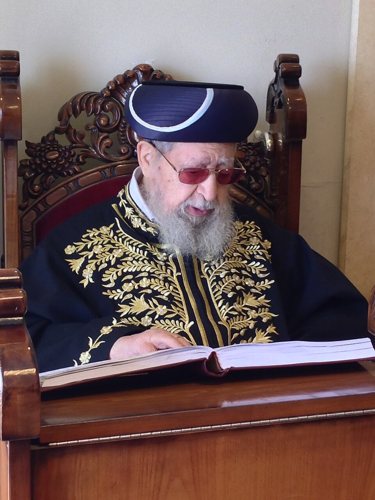 Rabbi Ovadia Yosef1920 – 2013
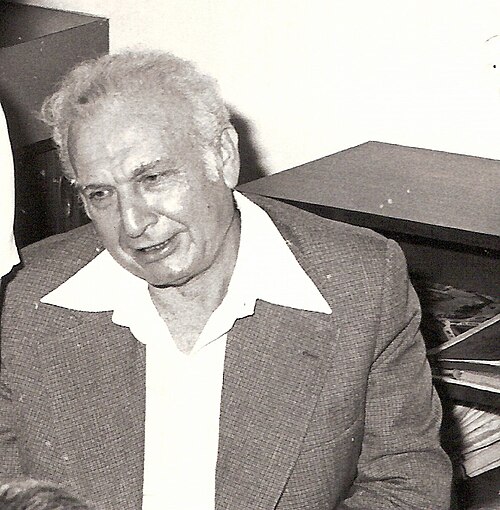 President Ephraim Katzir24 May 1973 – 29 May 1978
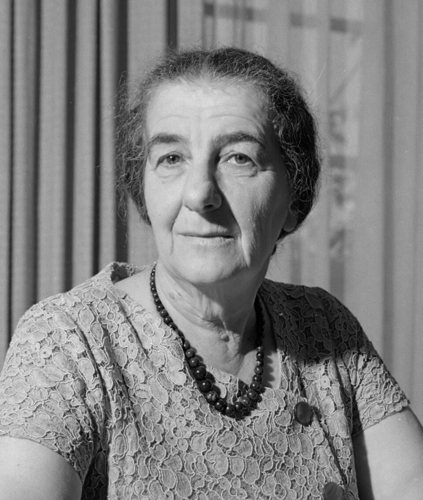 Golda Meir1969 – 1974
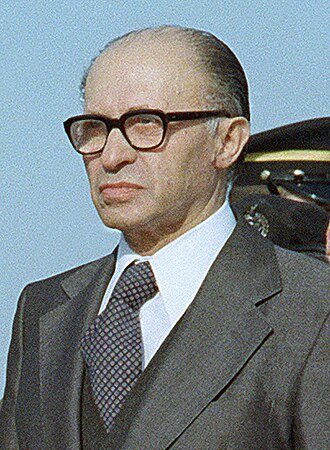 Menachem Begin1977 – 1983
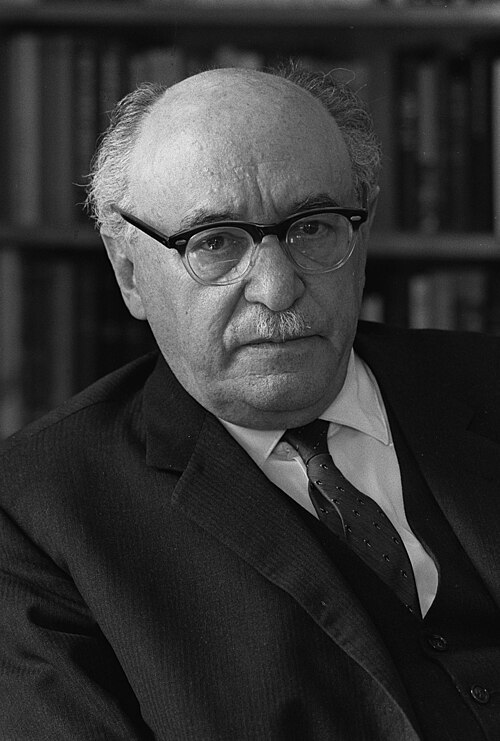 President Zalman Shazar21 May 1963 – 24 May 1973
 Yitzhak Rabin1974 – 1977