Yom Kippur War
6 Oct 1973
Hebrew year: 5733 (ה׳תשל״ג)
Open on the interactive timeline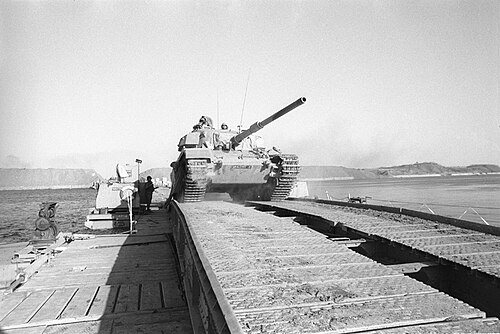
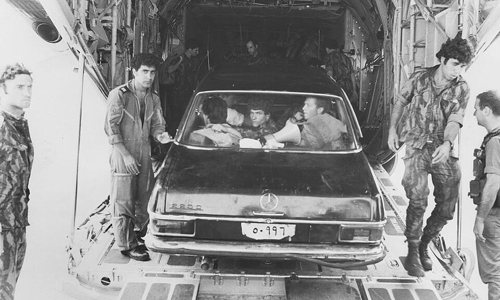
At about 2 p.m. on 6 October 1973 (10 Tishrei 5734), while most Israelis were fasting in synagogues, Egypt and Syria launched a coordinated surprise attack. Egyptian forces crossed the Suez Canal, overran the Bar-Lev Line and used Sagger anti-tank missiles against Israeli armor, while some 1,400 Syrian tanks stormed the Golan Heights, where the outnumbered 7th Armored Brigade held the "Valley of Tears". Reservists were called up straight from prayer. After stopping the Syrians and pushing toward Damascus, Israel crossed the canal on 16 October under Ariel Sharon, encircled the Egyptian Third Army and stood about 100 km from Cairo when a ceasefire took hold on 24–25 October.
More than 2,600 Israeli soldiers were killed, a national trauma. The Agranat Commission examined the intelligence failure, and Prime Minister Golda Meir resigned in 1974. An American airlift, Operation Nickel Grass, resupplied Israel during the fighting, and Henry Kissinger's shuttle diplomacy produced disengagement agreements in 1974. The war restored Egyptian pride and opened the way to Anwar Sadat's 1977 visit to Jerusalem and the 1979 peace treaty.
- Hebrew year
- 5733 (ה׳תשל״ג)
- Place
- Suez Canal
- Category
- Wars & battles
- Part of
- State of Israel
At the same time
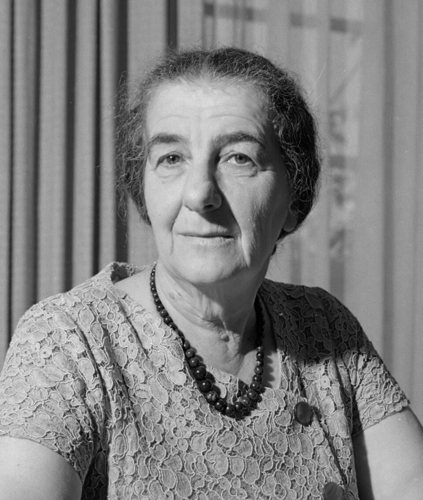 Golda Meir1969 – 1974
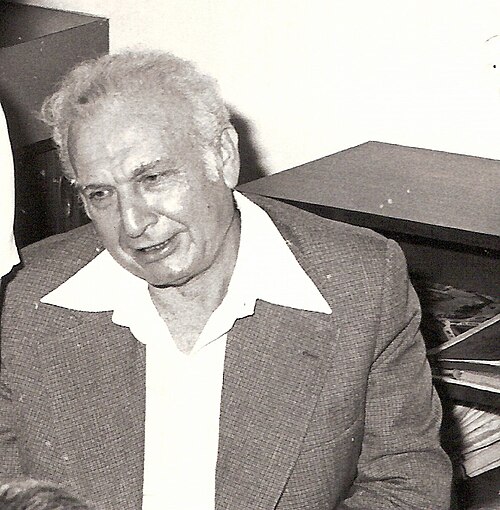 President Ephraim Katzir24 May 1973 – 29 May 1978
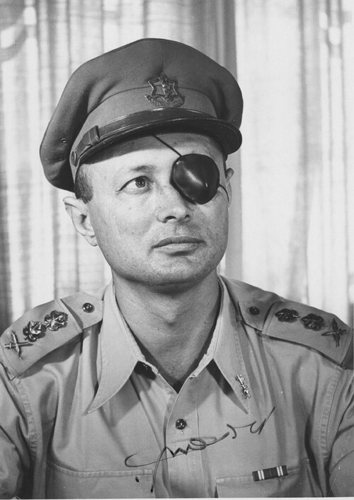 Moshe Dayan1915 – 1981
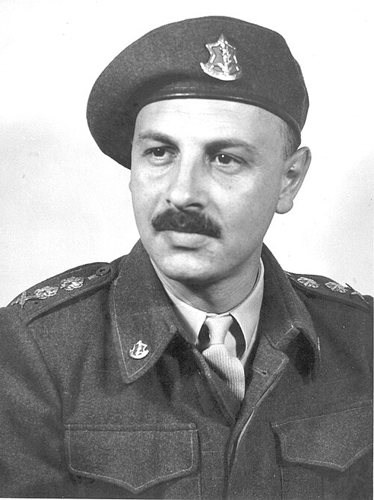 Yigael Yadin1917 – 1984
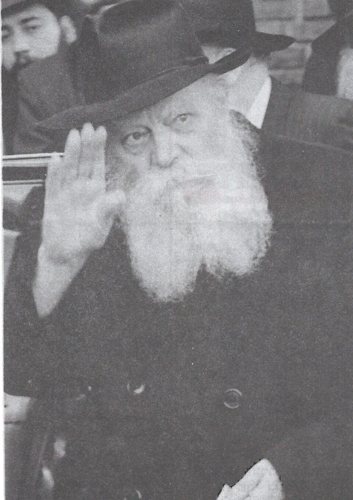 Rabbi Menachem Mendel Schneerson1902 – 1994
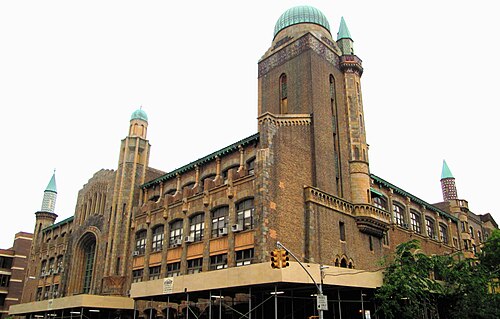 Rabbi Joseph B. Soloveitchik1903 – 1993
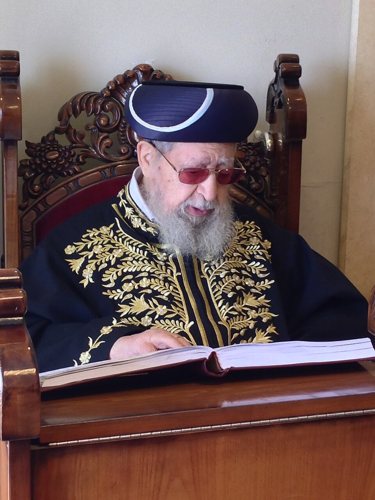 Rabbi Ovadia Yosef1920 – 2013