Avaris (Tell el-Dab'a)
−1620
Hebrew year: 2141 (ב׳קמ״א)
Open on the interactive timeline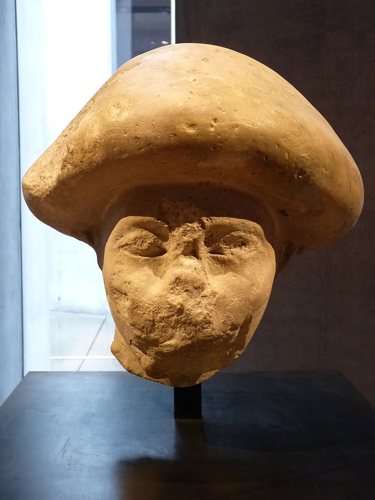
Avaris, today Tell el-Dab'a in the eastern Nile Delta, has been excavated by the Austrian Archaeological Institute under Manfred Bietak since 1966. Over several centuries it grew from a settlement of Asiatic immigrants into the capital of the Hyksos 15th Dynasty, with Canaanite-style houses, temples and burials, donkeys buried before tombs, and imported pottery from the Levant. One early tomb, in a palace complex, held the smashed limestone statue of an Asiatic official, larger than life, with a mushroom-shaped red hairstyle, a throwstick on his shoulder and traces of a striped, multicolored garment. The tomb had been emptied in antiquity.
Some writers link the statue and empty tomb to Joseph, his coat and the bones Israel carried out of Egypt; the connection is suggestive but unproven, since no inscription names him. Avaris was sacked by Ahmose I around −1550, ending Hyksos rule. Centuries later Ramesses II built his capital Pi-Ramesses right beside it, the city of Raamses that the Bible says the Israelites were forced to build (Exodus 1:11).
- Hebrew year
- 2141 (ב׳קמ״א)
- Place
- Avaris
- Category
- Archaeology
- Part of
- Egypt & the Exodus