Hittite Kingdom
−1600
Hebrew year: 2161 (ב׳קס״א)
Open on the interactive timeline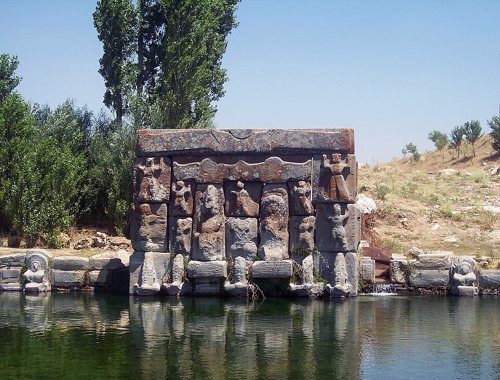
The Hittite kingdom arose in central Anatolia around −1650, when Hattusili I made Hattusa (near Boğazkale in modern Turkey) his capital. His successor Mursili I marched down the Euphrates and sacked Babylon around −1595, ending the dynasty of Hammurabi. At its height the empire rivaled Egypt for control of Syria; at the Battle of Kadesh (around −1274), Muwatalli II and Ramesses II fought one of the largest chariot battles of antiquity, followed later by the earliest known peace treaty. The empire collapsed around −1180, after about five centuries.
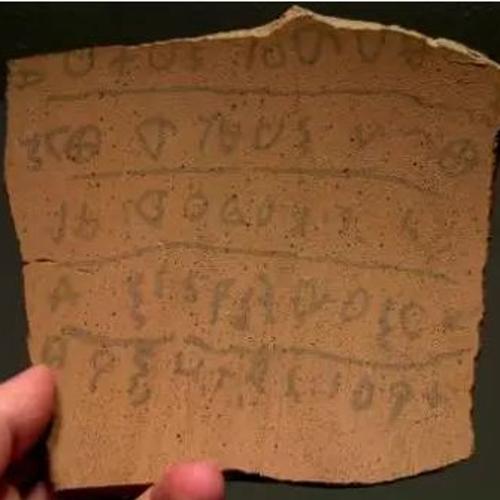
Genesis 10:15 lists Heth as a son of Canaan, son of Ham, and Abraham bought the Cave of Machpelah from Ephron the Hittite (Genesis 23); David's officer Uriah and some of Solomon's wives were Hittites. Whether these biblical "children of Heth" were the Anatolian Hittites or a local people with a similar name is debated. For a long time the Hittites were known almost only from the Bible, until excavations at Hattusa from 1906 uncovered thousands of clay tablets, and in 1915 the Czech scholar Bedřich Hrozný deciphered Hittite, the oldest written Indo-European language.
- Hebrew year
- 2161 (ב׳קס״א)
- Place
- Hattusa
- Category
- Major events
- Part of
- Egypt & the Exodus