Babylonian Capture of Jerusalem
−597
Hebrew year: 3327 (ג׳שכ״ז)
Open on the interactive timeline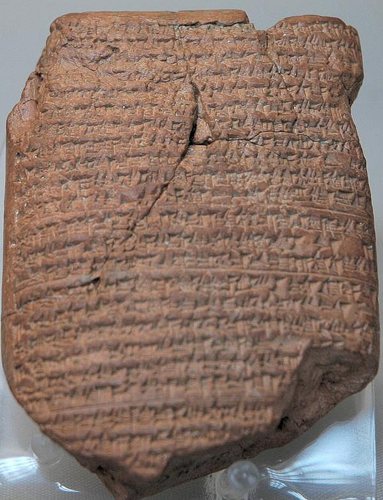
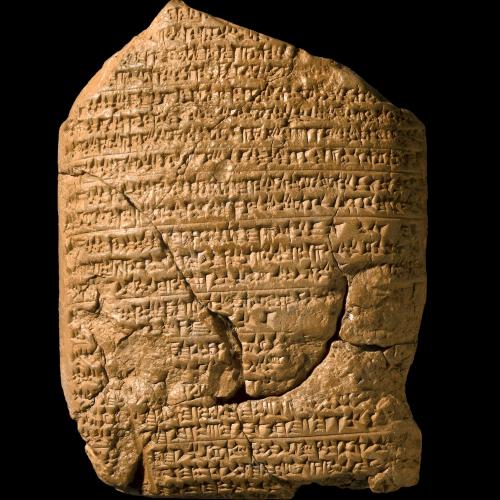
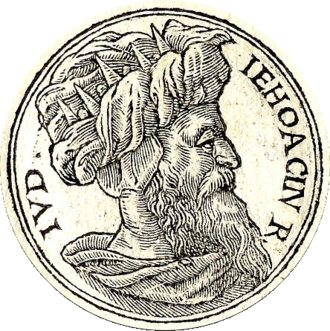
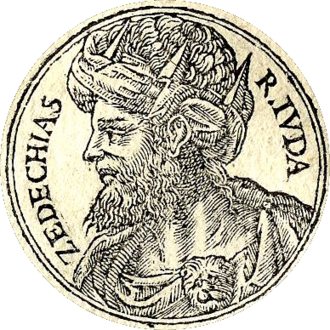
King Jehoiakim had rebelled against Babylon and died as its army approached, leaving his 18-year-old son Jehoiachin a city about to be besieged. The Babylonian Chronicle records that in his seventh year Nebuchadnezzar marched west, besieged "the city of Judah," and seized it on the second of Adar, in March −597, capturing its king and appointing a king of his own choice. Jehoiachin surrendered after three months on the throne, together with his mother Nehushta, his wives and his officials. According to 2 Kings 24, Nebuchadnezzar carried off the treasures of the Temple and palace, cutting up the gold vessels Solomon had made, and deported 10,000 people, among them 7,000 warriors and 1,000 craftsmen and smiths. He made Jehoiachin's uncle Mattaniah king, renaming him Zedekiah.
Among the exiles was the young priest Ezekiel, who would date his prophecies by "the exile of King Jehoiachin," and the deportation created the Judean community in Babylonia that shaped Jewish life for centuries. Cuneiform ration tablets from Nebuchadnezzar's palace in Babylon list oil allotments for "Jehoiachin, king of the land of Judah" and his five sons, and 2 Kings 25 ends with his release from prison 37 years after his exile.
- Hebrew year
- 3327 (ג׳שכ״ז)
- Place
- Jerusalem
- Category
- Wars & battles
- Part of
- Israel & Judah
Read the text
- 2 Kings 24:10–17 · Hebrew and English on Sefaria
At the same time
 King Jehoiachin (Judah)−598 – −597
 King Zedekiah (Judah)−597 – −586
 Prophet Jeremiah (Judah)−627 – −586
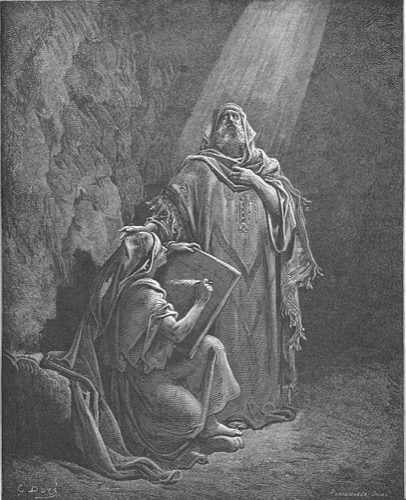 Baruch ben Neriah−605 – −570
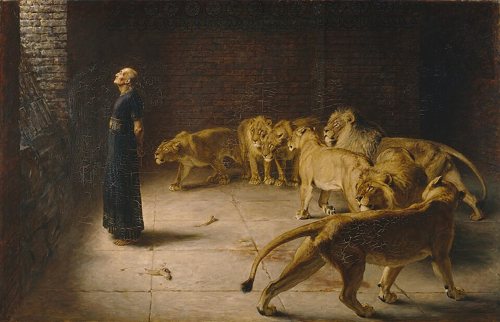 Book of Daniel (Exile)−605 – −503