End of the Jewish Patriarchate
425
Hebrew year: 4185 (ד׳קפ״ה)
Open on the interactive timeline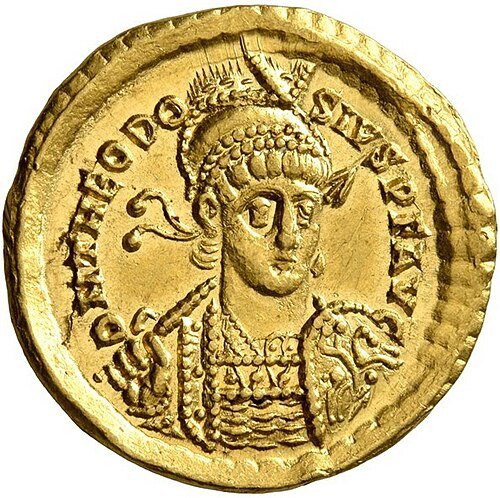
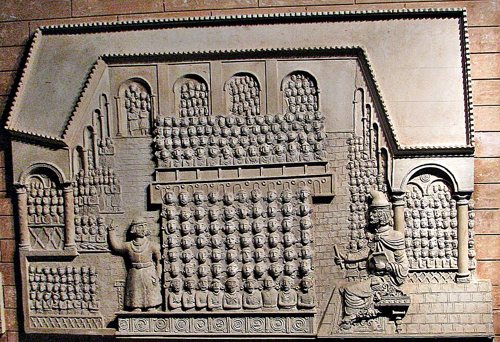
For about three centuries after the Bar Kokhba revolt, the Jews of the Land of Israel were led by a patriarch (Nasi) from the house of Hillel, recognized by Rome. Seated successively at Usha, Beit She'arim, Tzippori and finally Tiberias, the patriarchs headed the Sanhedrin and academy, ordained judges, fixed the calendar and sent emissaries to collect funds from the Diaspora; tradition credits the patriarch Hillel II with publishing the fixed Jewish calendar in 359. Christian emperors steadily cut back these powers, and in 415 Theodosius II demoted Gamaliel VI.
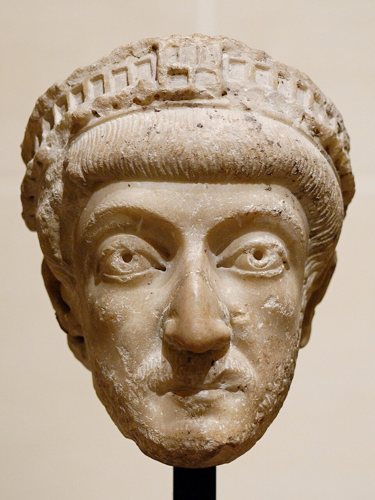
When Gamaliel VI died around 425, no successor was allowed, and a law of 429 (Theodosian Code 16.8.29) diverted the patriarchal tax to the imperial treasury. Leadership in the Land of Israel passed to the heads of the Tiberias academy, later called the Geonim of Eretz Israel, but the center of Jewish learning and authority shifted decisively to Babylonia, where the Babylonian Talmud was taking shape.
- Hebrew year
- 4185 (ד׳קפ״ה)
- Place
- Tiberias
- Category
- Major events
- Part of
- Byzantine Period