Esarhaddon (Assyria)
−681 · until −669
Hebrew year: 3080 (ג׳פ׳)
Open on the interactive timeline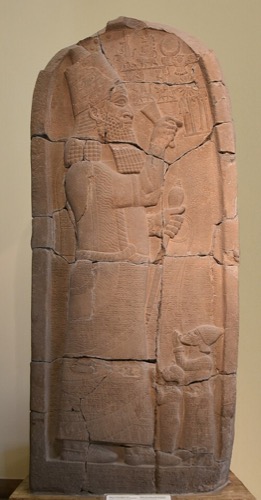
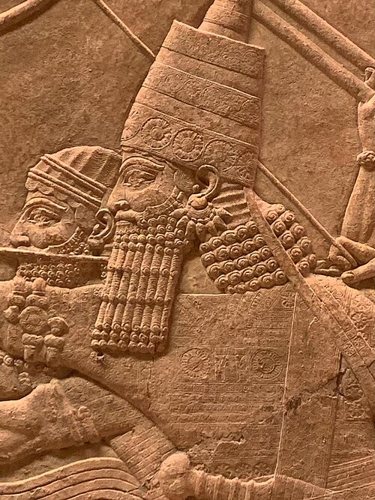
Esarhaddon, a younger son of Sennacherib, became king of Assyria in −681 after his father was murdered by two of his sons, who fled to the land of Ararat (2 Kings 19:37; Isaiah 37:38); he defeated the rebels within weeks. He rebuilt Babylon, which his father had destroyed, made the kings of Phoenicia and the Levant his vassals, and in −671 invaded Egypt, took Memphis and drove out Taharqa. His prism inscriptions list 22 kings of the "land of Hatti" who carried timber and stone for his arsenal at Nineveh, and among them is "Manasseh king of Judah." He named his son Ashurbanipal heir to Assyria and Shamash-shum-ukin to Babylon, and died in −669 on his way to put down a revolt in Egypt.
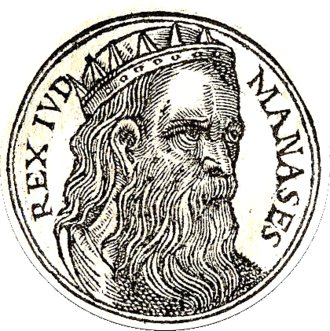
Judah under Manasseh stayed a loyal vassal through his reign. In Ezra 4:2 the adversaries of Judah and Benjamin say they have worshipped Israel's God since Esarhaddon brought them to the land, and 2 Chronicles 33:11 tells that Assyrian commanders took Manasseh in fetters to Babylon, a city the Assyrian king then ruled.
- Hebrew year
- 3080 (ג׳פ׳)
- Place
- Nineveh
- Category
- Foreign rulers & empires
- Part of
- Israel & Judah
Read the text
- 2 Kings 19:37 · Hebrew and English on Sefaria
- Ezra 4:2 · Hebrew and English on Sefaria