Fourth Aliyah
1924
Hebrew year: 5684 (ה׳תרפ״ד)
Open on the interactive timeline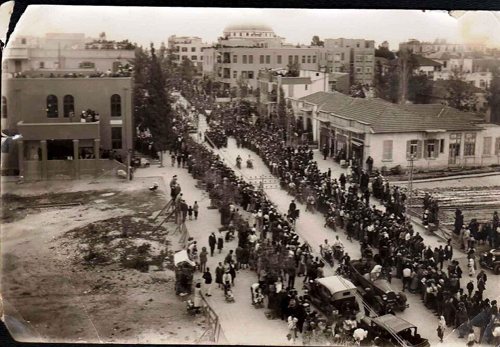
Between 1924 and 1929 about 80,000 Jews arrived, roughly half of them from Poland, where Finance Minister Władysław Grabski's tax policies hit Jewish shopkeepers and artisans hard; it is often called the "Grabski Aliyah". At the same time the United States' Immigration Act of 1924 all but closed America's gates to Eastern European Jews. Unlike the pioneers before them, most newcomers were middle-class families who brought small savings and settled in towns. Tel Aviv grew from about 15,000 residents in 1922 to some 40,000 by 1926, and new towns such as Herzliya and Bnei Brak were founded in 1924.
The boom built Tel Aviv's shops, workshops, construction industry and first factories, and the same years saw the Technion begin classes in Haifa in 1924 and the Hebrew University open on Mount Scopus in 1925. A severe economic crisis in 1926–1927 brought mass unemployment and led thousands to leave again, yet the urban, entrepreneurial model of this aliyah proved as lasting as the pioneers' kibbutzim.
- Hebrew year
- 5684 (ה׳תרפ״ד)
- Place
- Tel Aviv
- Category
- Aliyah & return
- Part of
- British Mandate
At the same time
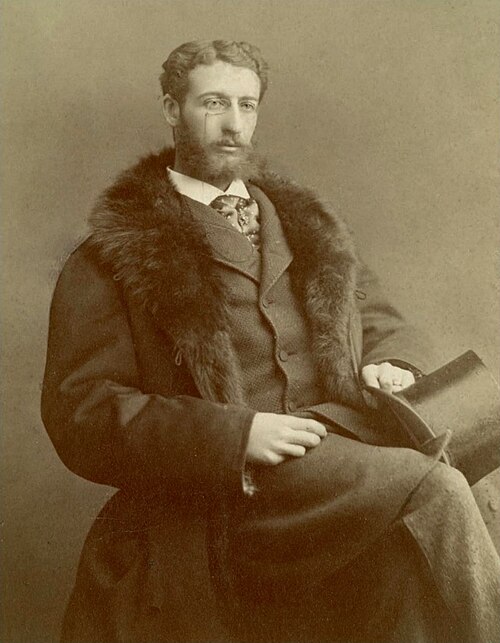 Baron Edmond de Rothschild1845 – 1934
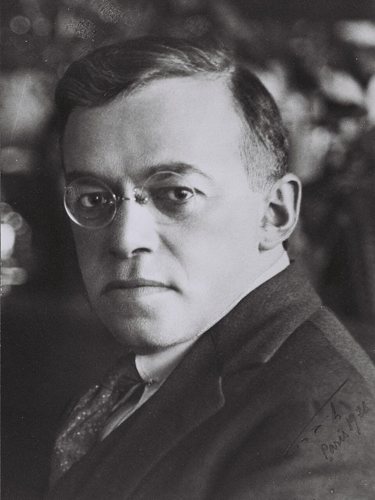 Ze’ev Jabotinsky1880 – 1940
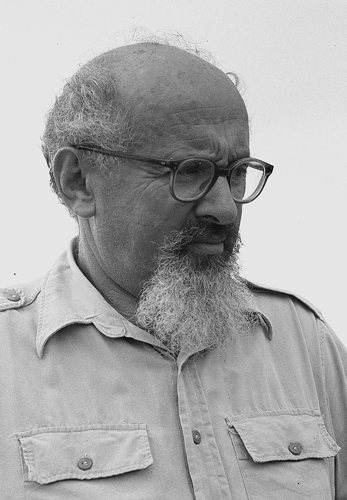 Yitzhak Sadeh1890 – 1952
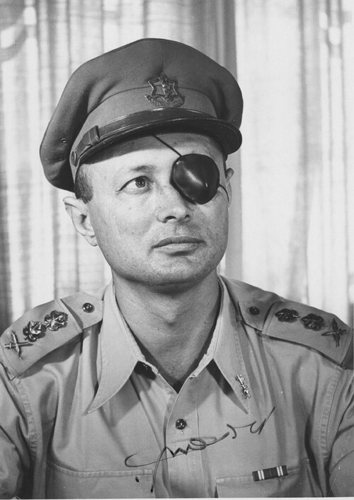 Moshe Dayan1915 – 1981
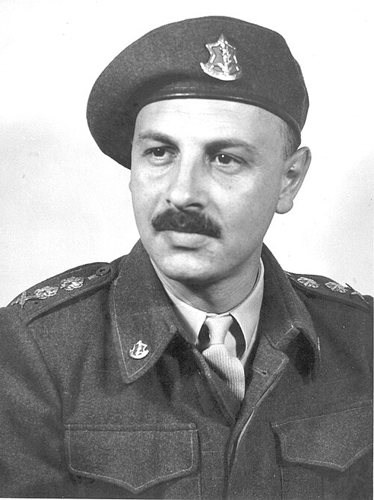 Yigael Yadin1917 – 1984
 (Chafetz Chaim) Rabbi Yisrael Meir Kagan1838 – 1933
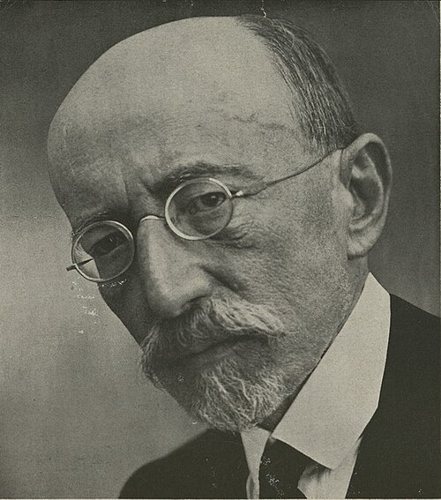 Ahad Ha’am1856 – 1927
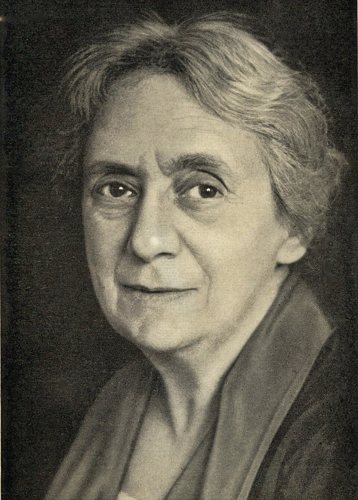 Henrietta Szold1860 – 1945
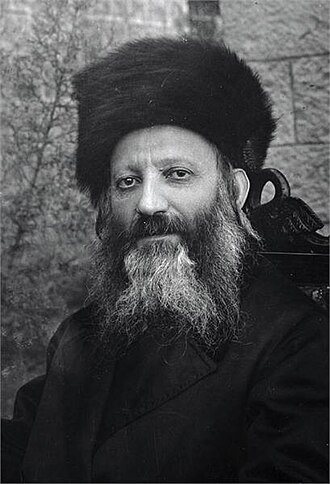 Rav Kook1865 – 1935
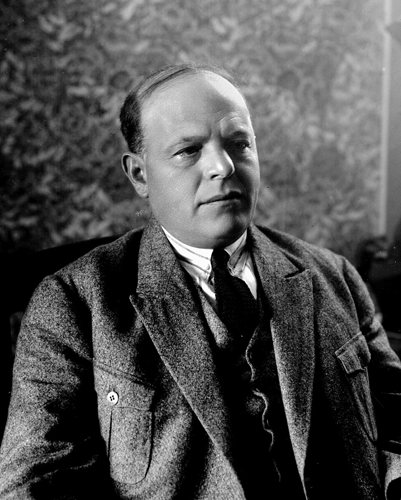 Chaim Nachman Bialik1873 – 1934