Gezer Calendar
−990
Hebrew year: 2771 (ב׳תשע״א)
Open on the interactive timeline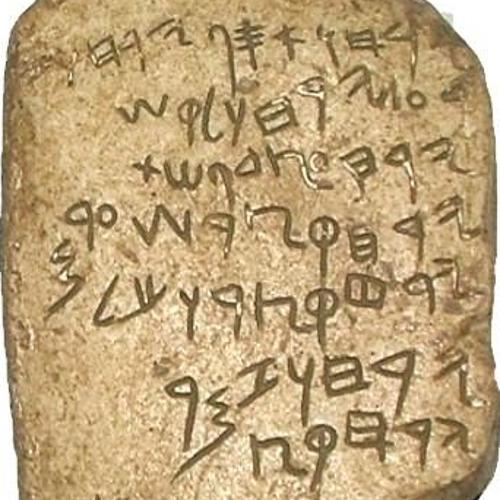
The Gezer Calendar is a small limestone tablet found by R. A. S. Macalister at Gezer in 1908. Dated around −990, it lists the farming year in seven short lines, beginning in autumn: two months of ingathering (ירחו אסף), two months of sowing, two months of late sowing, a month of cutting flax, a month of barley harvest, a month of harvest and measuring, two months of pruning vines, and a month of summer fruit, twelve months in all. A name, Abiya, is written in the margin, and the text may be a schoolboy's writing exercise or a mnemonic verse.
It is one of the oldest known inscriptions in an early Hebrew (or closely related Canaanite) script, and it shows the agricultural year on which the biblical festivals are built: a year starting in autumn, Sukkot as the "festival of ingathering" (Exodus 23:16), the barley harvest of the Passover season and the wheat harvest of Shavuot. Gezer itself was given by Pharaoh to Solomon as a dowry and fortified by him with Hazor and Megiddo (1 Kings 9:15–17).
- Hebrew year
- 2771 (ב׳תשע״א)
- Place
- Gezer
- Category
- Archaeology
- Part of
- United Monarchy