Paleo-Hebrew alphabet
−1000
Hebrew year: 2761 (ב׳תשס״א)
Open on the interactive timeline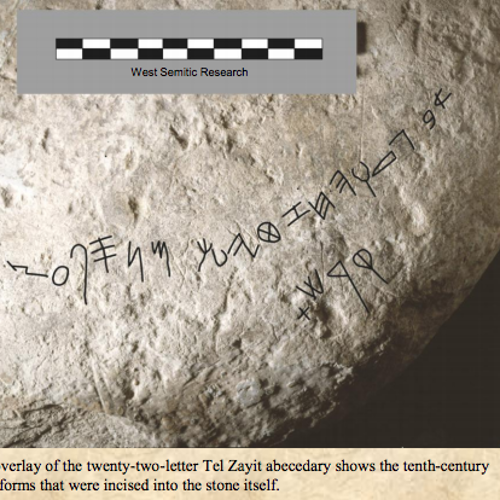
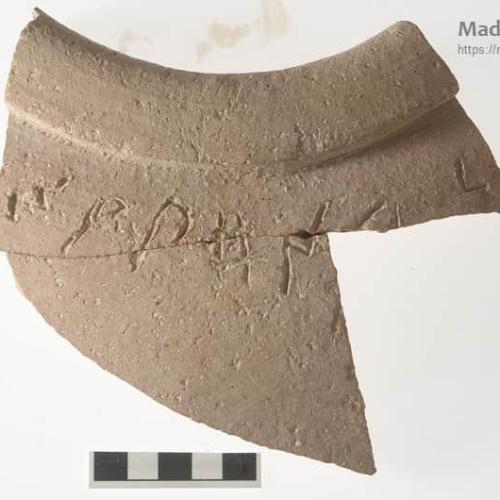
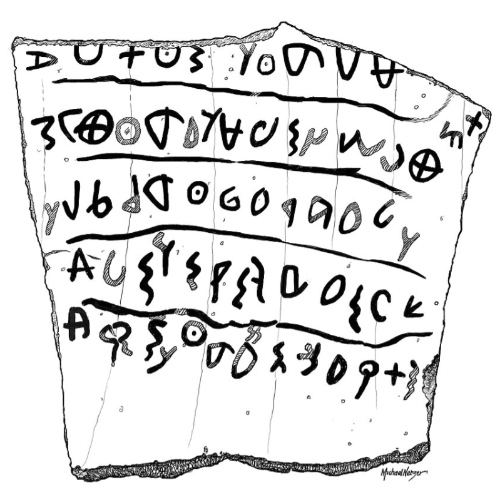
Paleo-Hebrew is the ancient script of the kingdoms of Israel and Judah, a regional form of the Phoenician alphabet with 22 consonant letters written right to left. It appears on the Siloam Tunnel inscription, the Lachish letters, the Ketef Hinnom amulets and many seals. After the Babylonian exile, Jews gradually adopted the square Aramaic script (ktav ashuri), the ancestor of today's Hebrew letters; the Talmud (Sanhedrin 21b–22a) connects the change with Ezra. Paleo-Hebrew lived on in some Dead Sea Scrolls, which write the divine name in it, on Hasmonean and Bar Kokhba coins, and in the script the Samaritans still use.
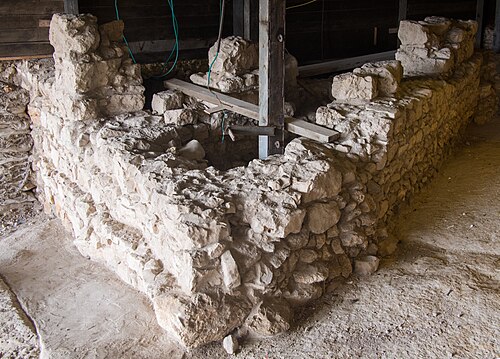
A key early witness is the Tel Zayit abecedary, found by Ron Tappy in 2005: a limestone boulder reused in a wall, with a complete 22-letter alphabet incised in two lines, dated by its excavator to the 10th century before the common count. Its letters stand between older Proto-Canaanite forms and later Judahite script, and pe comes before ayin, the order found in several biblical acrostics (Lamentations 2–4). Tappy and P. Kyle McCarter see an emerging Israelite scribal tradition; Christopher Rollston reads the letters as Phoenician, and its date is debated.
- Hebrew year
- 2761 (ב׳תשס״א)
- Place
- Tel Zayit
- Category
- Books, scripts & languages
- Part of
- United Monarchy
At the same time
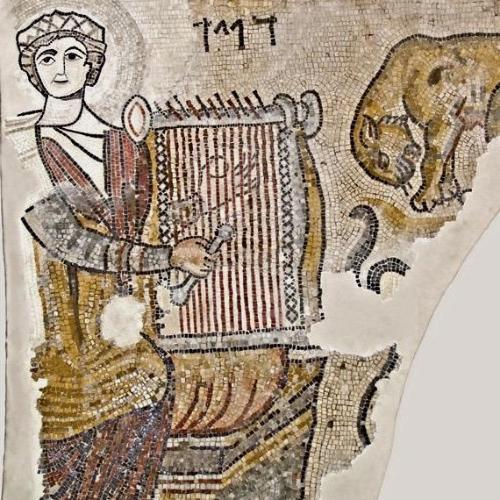 King David−1010 – −970
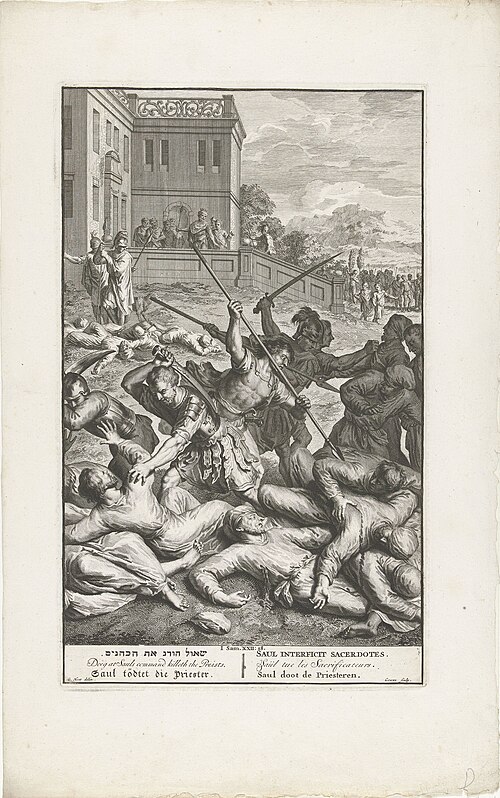 Abiathar (High Priest)−1012 – −969
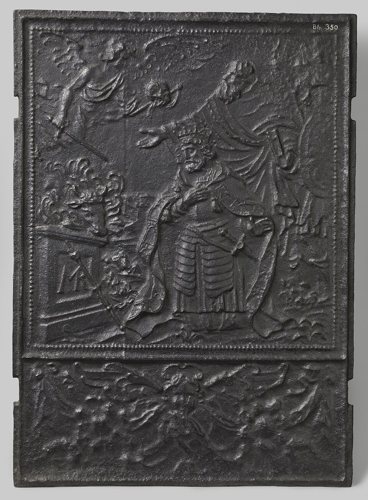 Prophet Gad−1010 – −970
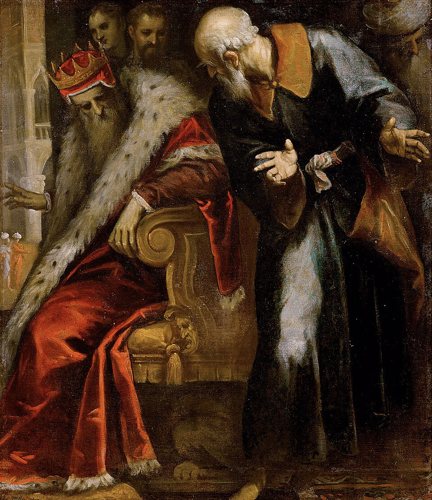 Prophet Nathan−1000 – −960