King David
−1010 – −970
Hebrew years: 2884–2924 (ב׳תתפ״ד–ב׳תתקכ״ד)
Open on the interactive timeline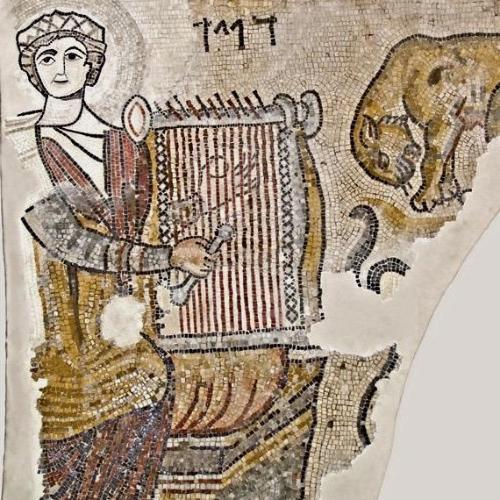
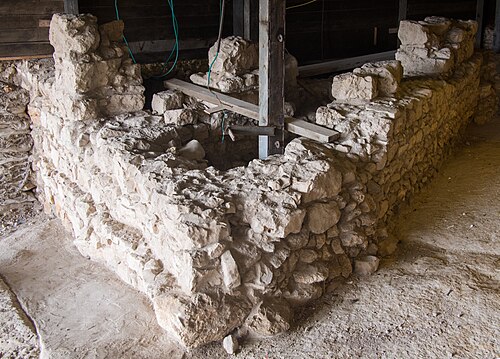
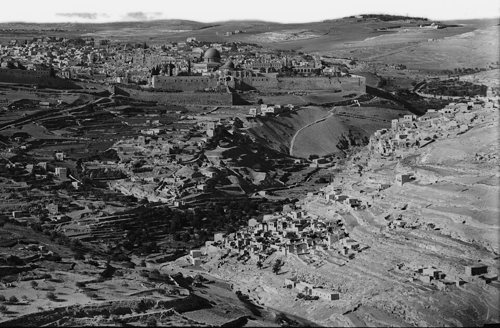
According to 1 and 2 Samuel, David, youngest of the eight sons of Jesse of Bethlehem, was a shepherd when Samuel anointed him. He played the lyre for Saul, killed the Philistine champion Goliath with a sling in the Valley of Elah, formed a deep friendship with Jonathan, and spent years as a fugitive at Adullam, En-gedi and among the Philistines at Ziklag, twice sparing Saul's life. He reigned seven and a half years in Hebron over Judah, then took the Jebusite stronghold of Zion, made Jerusalem the capital of all Israel and brought up the Ark with dancing (2 Samuel 5–6). Nathan promised him an everlasting dynasty (2 Samuel 7), and he defeated the Philistines, Moab, Edom, Ammon and the Aramean kingdoms. His adultery with Bathsheba and the death of her husband Uriah brought Nathan's rebuke and David's repentance, followed by family tragedy and Absalom's revolt. He bought the threshing floor of Araunah, future site of the Temple (2 Samuel 24).
The Tel Dan Stele, an Aramaic inscription found in 1993, names the "House of David", the earliest mention of him outside the Bible. Tradition credits him with many of the Psalms, and the Messiah is called "son of David". Jews still sing "David, King of Israel, lives and endures."
- Hebrew years
- 2884–2924 (ב׳תתפ״ד–ב׳תתקכ״ד)
- Place
- Jerusalem
- Category
- United Monarchy
- Part of
- United Monarchy
Read the text
- 1 Samuel 16 · Hebrew and English on Sefaria
- 2 Samuel 5 · Hebrew and English on Sefaria
At the same time
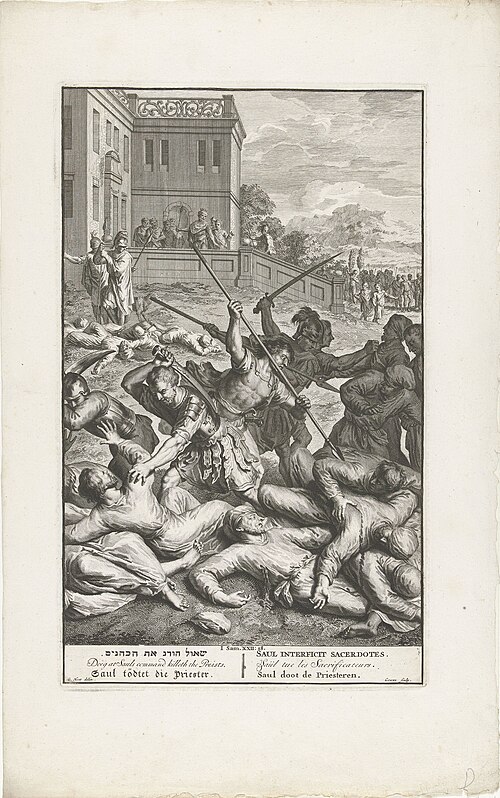 Abiathar (High Priest)−1012 – −969
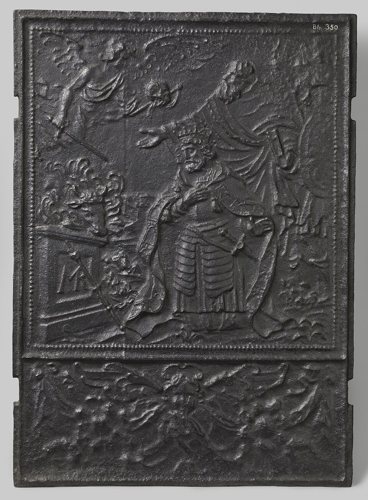 Prophet Gad−1010 – −970
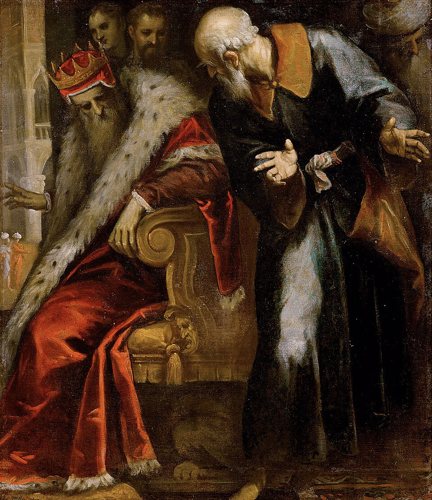 Prophet Nathan−1000 – −960
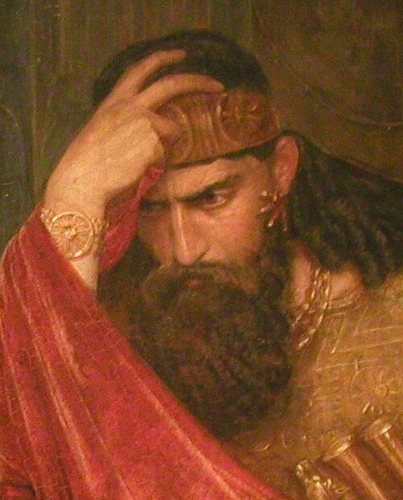 King Saul−1050 – −1010
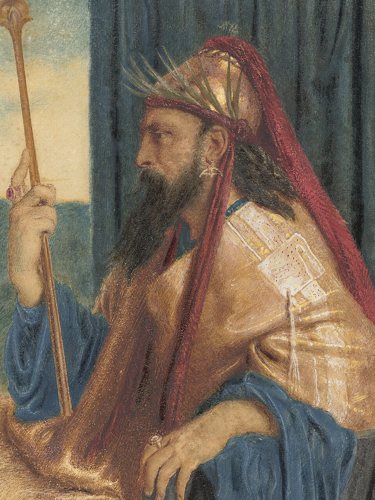 King Solomon−970 – −930
 Prophet Samuel−1076 – −1010