Guide for the Perplexed
1190
Hebrew year: 4950 (ד׳תתק״נ)
Open on the interactive timeline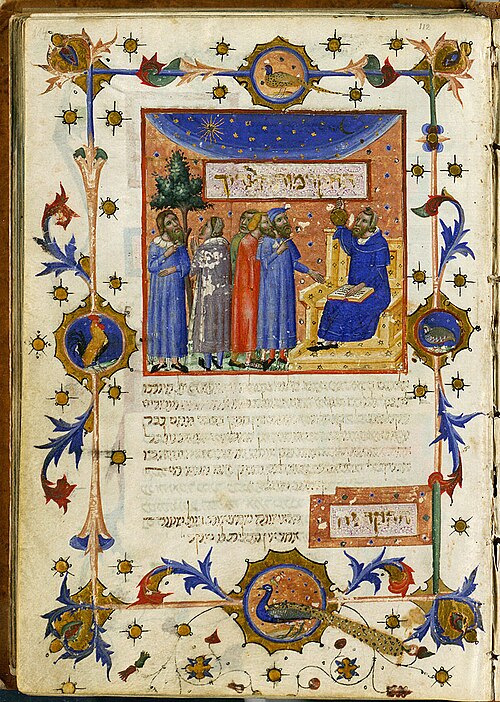
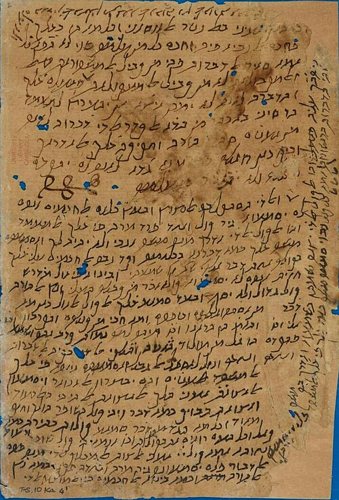
The Guide for the Perplexed (Moreh Nevukhim; in Arabic, Dalalat al-Ha'irin) is the philosophical masterpiece of the Rambam, written in Judeo-Arabic in Fustat around 1190 in the form of letters to his student Rabbi Joseph ben Judah. It is meant for a believing Jew who has studied philosophy and is perplexed by passages of Scripture that seem to contradict reason. Part 1 explains the Bible's bodily descriptions of God as figures of speech and teaches that God can be described only by what He is not. Part 2 deals with the creation of the world, which the Rambam defends against Aristotle's eternal universe, and with prophecy. Part 3 treats the Chariot vision of Ezekiel, the problem of evil, providence and the reasons for the commandments.
Samuel ibn Tibbon finished its Hebrew translation in 1204, the year the Rambam died, and Yehuda Alharizi made a second. The book divided Jewish communities in the Maimonidean controversy of the 1230s, when opponents in Montpellier saw copies burned. In Latin it was read by Thomas Aquinas, and it remains the central work of Jewish philosophy.
- Hebrew year
- 4950 (ד׳תתק״נ)
- Place
- Fustat (Old Cairo)
- Category
- Books, scripts & languages
- Part of
- Crusaders & Ayyubids
Read the text
- Guide for the Perplexed, Part 1, 1 · Hebrew and English on Sefaria