Josiah's Reforms
−622
Hebrew year: 3303 (ג׳ש״ג)
Open on the interactive timeline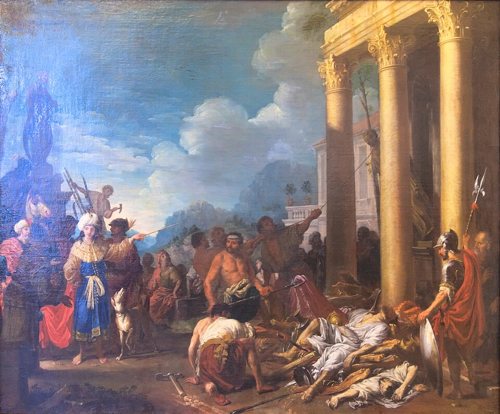
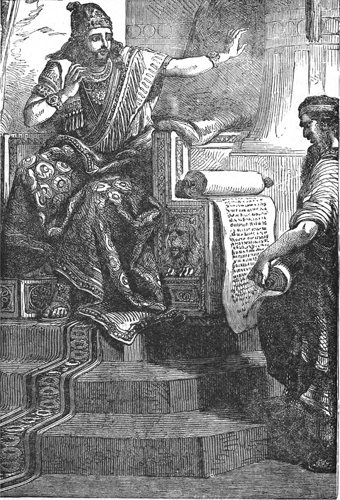
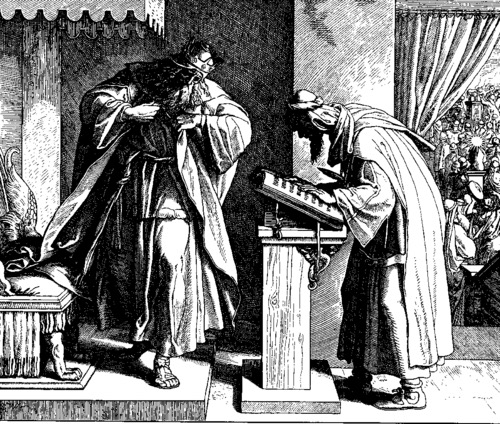
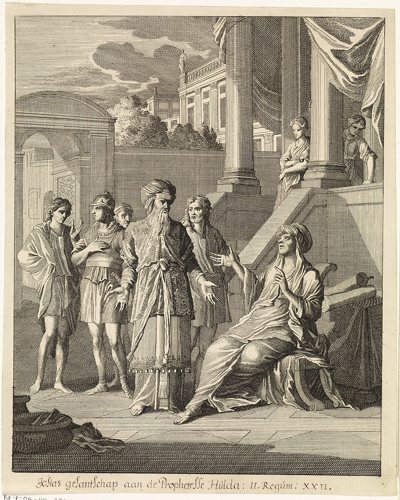
In −622, the 18th year of his reign, King Josiah was renovating the Temple when the high priest Hilkiah found "the book of the Torah." The scribe Shaphan read it to the king, who tore his clothes in alarm; after the prophetess Huldah confirmed its warnings, Josiah gathered the people at the Temple and renewed the covenant. According to 2 Kings 23 he then cleared the Temple of the vessels of Baal, Asherah and the host of heaven and burned them in the Kidron valley, removed the idolatrous priests, defiled the Topheth in the Valley of Hinnom where children had been passed through fire, and tore down the altars of Ahaz and Manasseh and the shrines Solomon had built for Ashtoreth, Chemosh and Milcom. He shut down the local high places so that sacrifice was centralized in Jerusalem, smashed Jeroboam's altar at Bethel, fulfilling a prophecy that had named him three centuries earlier (1 Kings 13:2), and held a Passover unlike any "since the days of the judges."
Kings ranks him above all others: "before him there was no king like him... nor did any like him arise after him." Most scholars identify the book that was found with Deuteronomy or its core, whose law of a single chosen sanctuary matches the reform closely. The reform barely outlived Josiah, who was killed at Megiddo in −609.
- Hebrew year
- 3303 (ג׳ש״ג)
- Place
- Jerusalem
- Category
- Major events
- Part of
- Israel & Judah
Read the text
- 2 Kings 23:1–25 · Hebrew and English on Sefaria
At the same time
 King Josiah (Judah)−640 – −609
 Hilkiah (High Priest)−640 – −609
 Prophet Zephaniah (Judah)−640 – −620
 Prophet Jeremiah (Judah)−627 – −586
 Prophetess Huldah−625 – −620