New Israeli Sheqel
1985
Hebrew year: 5745 (ה׳תשמ״ה)
Open on the interactive timeline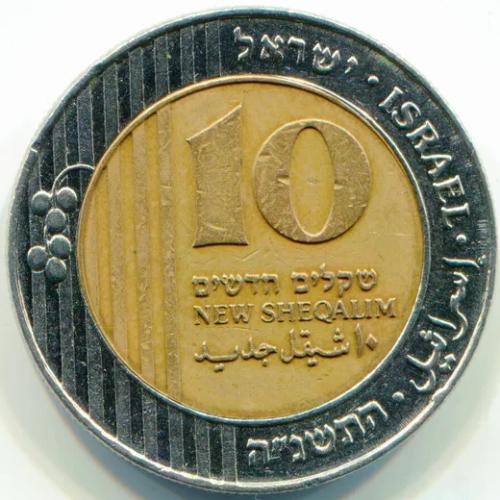
By 1984 Israeli inflation had reached about 445 percent a year, prices were quoted in dollars and the old sheqel lost value almost daily. On 1 July 1985 the national unity government of Shimon Peres, with Finance Minister Yitzhak Moda'i and economists including Michael Bruno, launched the Economic Stabilization Plan: deep budget cuts, a devaluation followed by a fixed exchange rate, and a wage and price freeze agreed with the Histadrut and employers. On 4 September 1985 the new Israeli sheqel replaced the old one at 1,000 to 1, and the old notes ceased to be legal tender at the start of 1986.
Inflation fell to about 20 percent within a year, and the plan is often cited as one of the most successful stabilization programs anywhere. The sheqel hadash, divided into 100 agorot, is the currency in use today; its symbol ₪ combines the Hebrew letters shin and het, the initials of its name. Since 2003 it has been fully convertible.
- Hebrew year
- 5745 (ה׳תשמ״ה)
- Category
- Coins & currency
- Part of
- State of Israel
At the same time
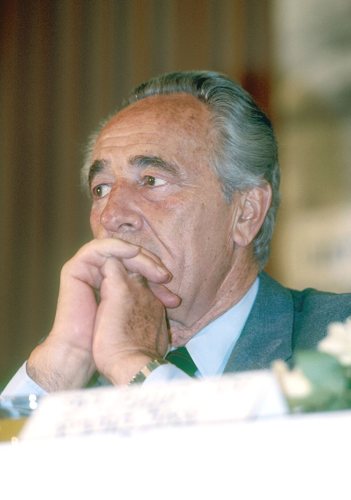 Shimon Peres1984 – 1986
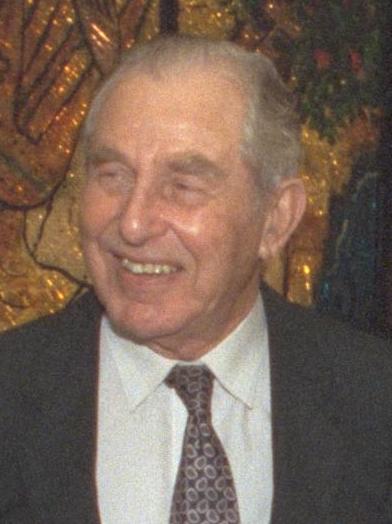 President Chaim Herzog5 May 1983 – 13 May 1993
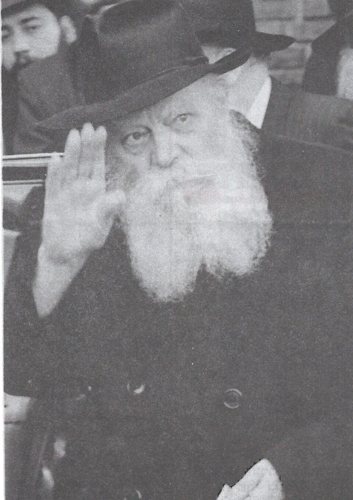 Rabbi Menachem Mendel Schneerson1902 – 1994
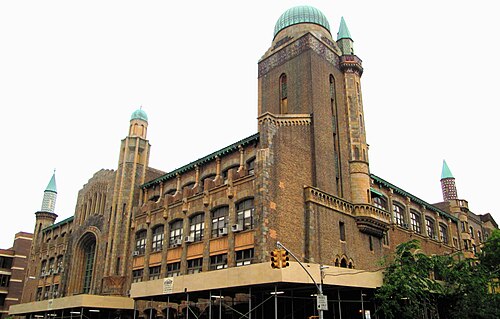 Rabbi Joseph B. Soloveitchik1903 – 1993
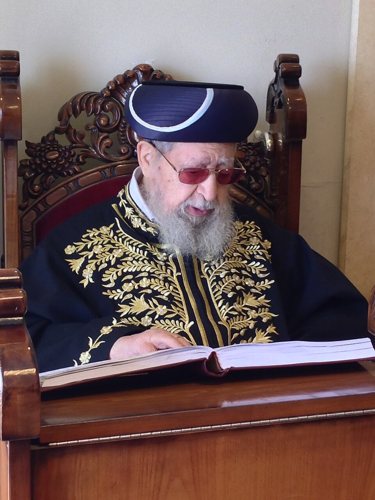 Rabbi Ovadia Yosef1920 – 2013