Pharisees, Sadducees and Essenes
−145
Hebrew year: 3616 (ג׳תרט״ז)
Open on the interactive timeline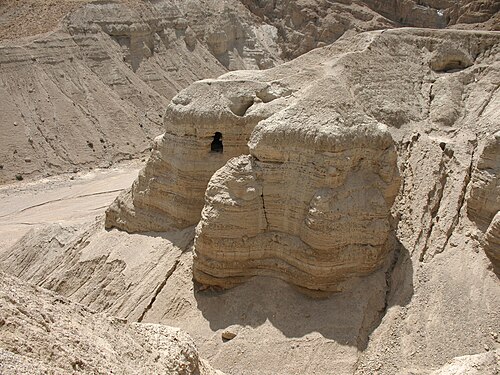
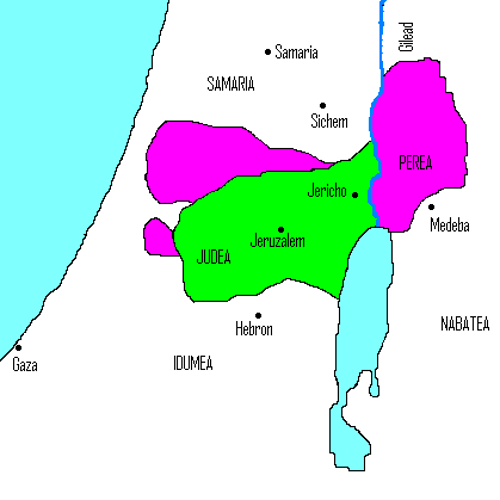
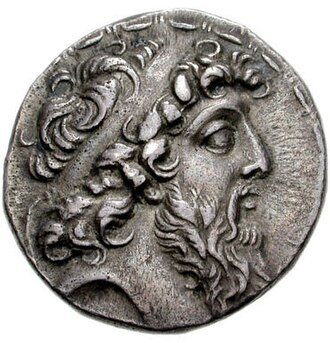
Josephus first names the three "schools" of Jewish thought in the days of Jonathan the Hasmonean, around −145 (Antiquities 13.171–173). The Pharisees (Perushim) held that some things are the work of fate and some are in our own hands; they kept the traditions of the fathers alongside the written Torah, taught the resurrection of the dead and had the support of the people. The Sadducees (Tzedukim), close to the priestly aristocracy, denied fate and the resurrection and accepted only the written law (Antiquities 13.297). The Essenes, who lived in disciplined communities sharing property and keeping strict purity, are described by Josephus (War 2.119–161), Philo and Pliny the Elder, who places them by the Dead Sea; many scholars link them to the community of the Dead Sea Scrolls at Qumran.
The parties fought over the Temple service, the calendar and purity law, and over power: John Hyrcanus broke with the Pharisees, Alexander Jannaeus persecuted them and Salome Alexandra restored them. The Mishnah (Yadayim 4:6–7) records their arguments. After 70 the Sadducees and Essenes disappeared, while the Pharisaic tradition, carried on by the Sages of Yavne, became rabbinic Judaism.
- Hebrew year
- 3616 (ג׳תרט״ז)
- Place
- Jerusalem
- Category
- Major events
- Part of
- Hellenistic Period
Read the text
- Mishnah Yadayim 4:6 · Hebrew and English on Sefaria
- Mishnah Yadayim 4:7 · Hebrew and English on Sefaria