Rashidun Caliphate
638
Hebrew year: 4398 (ד׳שצ״ח)
Open on the interactive timeline
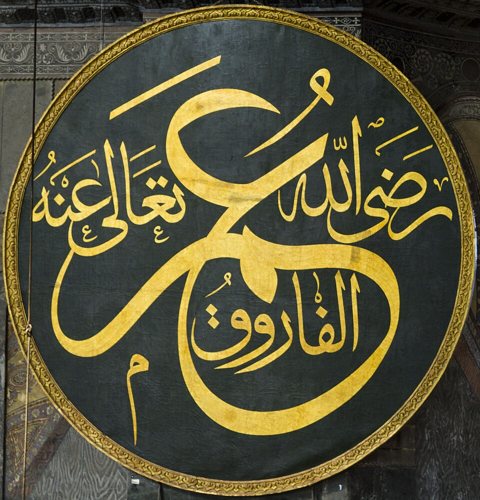
The Rashidun ("rightly guided") Caliphate was ruled from Medina by the first four successors of Muhammad: Abu Bakr, Umar, Uthman and Ali, from 632 to 661. Its armies crushed the Byzantines at the Yarmuk River in 636, and Jerusalem, besieged and cut off, surrendered around 638. The terms were negotiated by Patriarch Sophronius with Caliph Umar himself. Caesarea, the last Byzantine stronghold on the coast, fell in 640 or 641.
For the Jews the conquest ended nearly five hundred years of exclusion from Jerusalem that went back to Hadrian. A Cairo Geniza fragment reports that Umar allowed seventy Jewish families from Tiberias to settle near the Temple Mount. Jews and Christians became protected "dhimmi" communities: they paid a poll tax (jizya) and lived under restrictions, but they could practice their religion, and Jewish life in Jerusalem began to revive.
- Hebrew year
- 4398 (ד׳שצ״ח)
- Place
- Medina
- Category
- Major events
- Part of
- Early Islamic Period