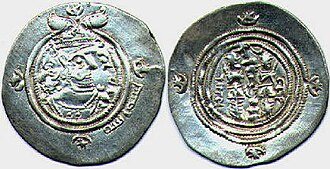
Umar ibn al-Khattab (Rashidun)
638 · until 644
Hebrew year: 4398 (ד׳שצ״ח)
Open on the interactive timeline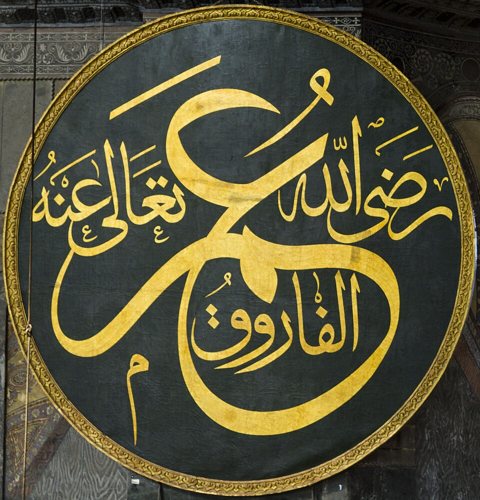
Umar ibn al-Khattab became the second caliph in 634, and in ten years his armies took Syria, Iraq, Egypt and the Land of Israel. Around 638 Jerusalem surrendered, and Muslim tradition tells that Umar came in person to accept it from Patriarch Sophronius. On the Temple Mount, which had been left in ruins and used as a rubbish dump under Byzantine rule, he had the area cleared. Tradition says he consulted Ka'b al-Ahbar, a Jewish convert, about where the Temple had stood. He was murdered in Medina in 644 by a Persian slave.
A letter from the Cairo Geniza says that Umar settled a dispute between the Jews and the patriarch by allowing seventy Jewish families from Tiberias to live in Jerusalem. A Jewish apocalypse of the period, the Secrets of Rabbi Shimon bar Yochai, even welcomes the "kingdom of Ishmael" as a deliverance from Rome. Around 680 the pilgrim Arculf saw a simple wooden prayer house on the Mount, the forerunner of the al-Aqsa Mosque.
- Hebrew year
- 4398 (ד׳שצ״ח)
- Place
- Medina
- Category
- Foreign rulers & empires
- Part of
- Early Islamic Period